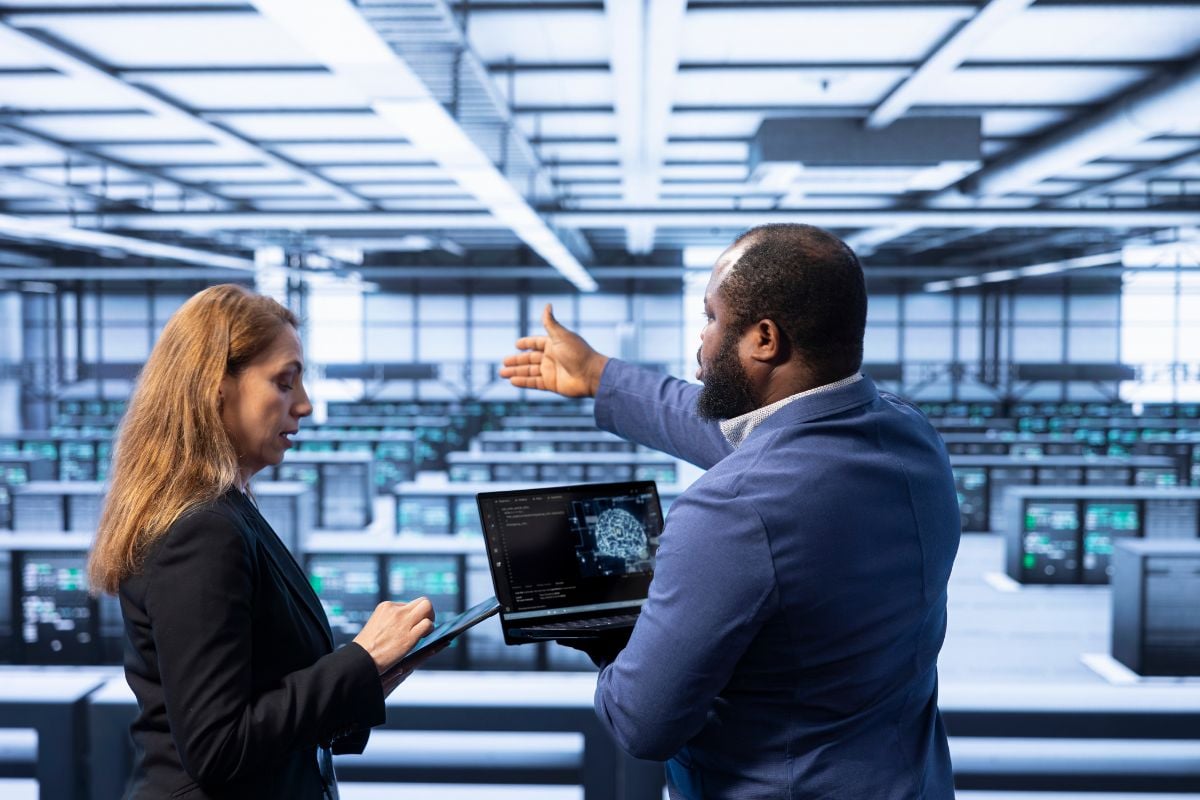
Enterprise teams buy an AI image detector after something goes wrong.
- A fake damaged car got the insurance claim.
- A synthetic face clears the KYC process. (Know Your Customer)
- A deepfake image passed through manual review.
What if you can avoid any of it from happening?
This blog is written for teams doing the evaluation BEFORE anything happens.
If you are a procurement manager, trust & safety director, risk operations leader, or compliance officer looking to build a defensible system using enterprise deepfake detection software, read the whole blog.
It’s not a vendor comparison blog that’d end with “it depends.”
Here’s what you’ll learn in this blog:
- Clear idea of how you can identify which enterprise use case you are actually buying for
- Core features that separate good tools from the bad ones
- What you shouldn’t miss when checking security and compliance
- ROI model (including the cost you should calculate)
- A ready-to-use vendor checklist for your next vendor call
- And a live walkthrough of TruthScan on a different image set
How to Choose an AI Image Detector for Your Company
Before shortlisting vendors for your AI Image Detection software, the most valuable thing you can do is define what “works” means for you in your specific operational context.
First, ask yourself these questions to understand your image pipeline.
- How do images enter your system, and what is the expected volume?
- What type of format conversion or compression happens before those images reach the detector?
- How long can a verification decision take on average?
Answers to those questions will help more than any blog on the website can. This will help you choose which enterprise deepfake detection can actually serve your organization (as requirements are not the same across all use cases)


Never Worry About AI Fraud Again. TruthScan Can Help You:
- Detect AI generated images, text, voice, and video.
- Avoid major AI driven fraud.
- Protect your most sensitive enterprise assets.
Why Manual Image Review Fails at Enterprise Scale and Here’s What to Do Instead
Let’s discuss the four enterprise use cases that drive most of the purchases.
The first use case is for Insurance claims teams dealing with shallow fakes, where they have to check whether the real photos have been digitally changed to exaggerate the damage.
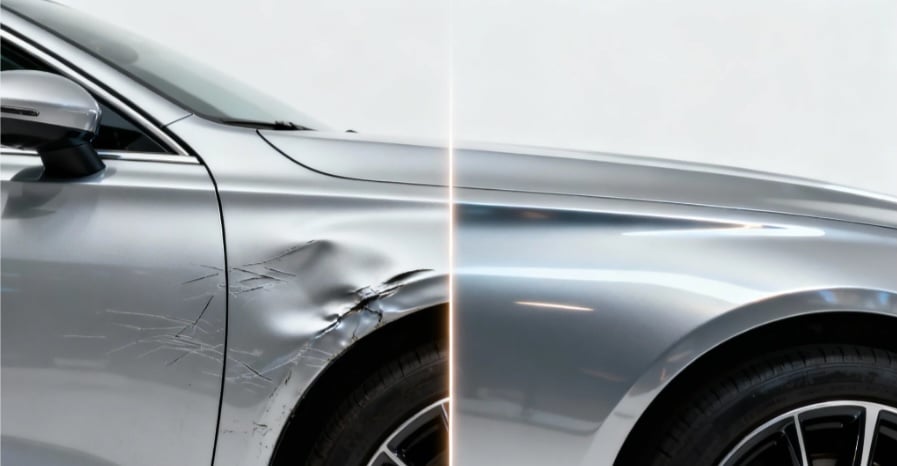
Learn how to spot fake insurance claim images.
A March 2026 Verisk study revealed that 36% of consumers would consider digitally changing a claim image, and that number rises to 55% in Gen Z respondents.
The Second case is the face of synthetic identity fraud that KYC and financial onboarding teams face quite often.
Even in 2025 alone, every 1 in 20 identity verification failures was linked to a deepfake or synthetic face.
The third use case is the trust and safety teams who need a fast and accurate API response when working on high-traffic platforms.
And lastly, legal and compliance teams focused on quality of the output.
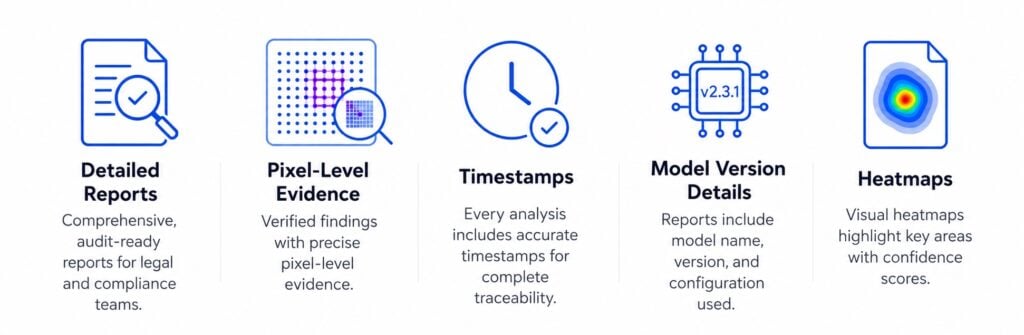
They require detailed reports that include model version details, pixel-level evidence, and timestamps that can withstand an audit or in court.
So next time you start a conversation with vendors, decide which of these four categories applies to your main use case.
Once you have that, share it with every vendor before your first conversation. You’ll learn a lot from how they respond, probably even more than from any demo.
Key Features to Evaluate
The evaluation criteria for AI image detection tools look the same in sales decks among enterprise vendors. But what really sets platforms apart is how well each feature works in the specific conditions of your setup.
Most enterprise buyers mainly focus on accuracy and price. (Both matter)
But there are other important factors you need to consider as well.
- Multi-Modal Detection
An enterprise deepfake detection system that handles only static images covers fewer real enterprise attacks.
An incident in February 2024 occurred where a finance officer was tricked into transferring $25 million using a deepfake video.
And voice-clone scams are creating a completely different problem.
That’s why when speaking with any vendor, ask: Does your platform support images, videos, and voices all through a single API?
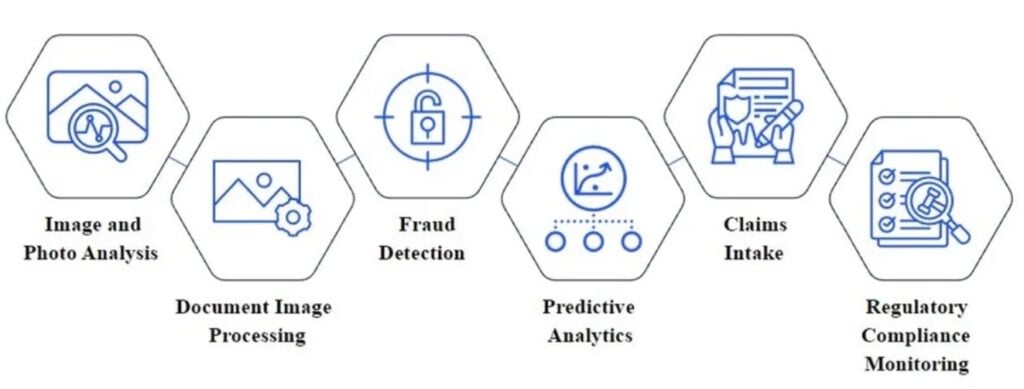
If detection requires three separate integrations and dashboards, the operational complexity becomes a risk in its own right.
- False Positive Rate
A major issue that most guides often overlook.
Scalable image verification system accuracy usually comes from polished tests that you get from Midjourney v6, DALL-E 3, and Stable Diffusion XL’s outputs.
But in reality, your actual inputs are usually compressed, resized, edited, or pulled from completely different workflows.
Therefore, you should ask each vendor for false positive rate data for images that match your actual format and resolution. If they cannot provide it, run your own sample during the evaluation.
- Model Update Cadence
AI-Image generators launch new versions every few months.
Midjourney moved from v5 to v6, then to v6.1, in 16 months.
FLUX 1.1 and Ideogram v3 mostly fall shortly after.Each new version creates advanced features that dominate the older ones.
Real-world testing shows a 45% loss in their systems when detectors have to face the images from generators they weren’t trained on.
You need to ask vendors directly: Which versions of the generator did you retrain last, and when?
If they’re hesitant to answer that, they are most likely running a static model.
- Forensic Output Quality
The forensic report should include all relevant information that can be usable in legal and compliance proceedings.
These are the details a forensic report must have:
- Which regions of the image triggered the flag
- What model version ran the analysis
- Timestamp of when the test ran
- Highlighted heatmap showing AI probability.
Most vendors tell you their accuracy on Midjourney v6.
A question every buyer should be asking is:
Can it give me the false positive rate for JPEG images that have been shared through WhatsApp multiple times?.
Compressed images are exactly what your insurance adjusters and KYC reviewers receive almost daily.
Did you know?
A study in 2024 found that accuracy drops from 93.33% to 61.49% for JPEG images, which are common in mobile and social media uploads. (and tools should be able to detect it)
Therefore, a vendor who can’t show performance data on compressed, re-shared images, the benchmark number they are quoting is solving a different problem than the one you have. (So consider all the aspects before you make a purchase)
Security and Compliance
Security requirements for enterprise deepfake detection software are mainly split into two layers:
Infrastructure certifications & data handling policies. Let’s understand both.
Infrastructure certifications are the baseline for any enterprise tool handling sensitive data, including SOC 2 Type II and ISO 27001.
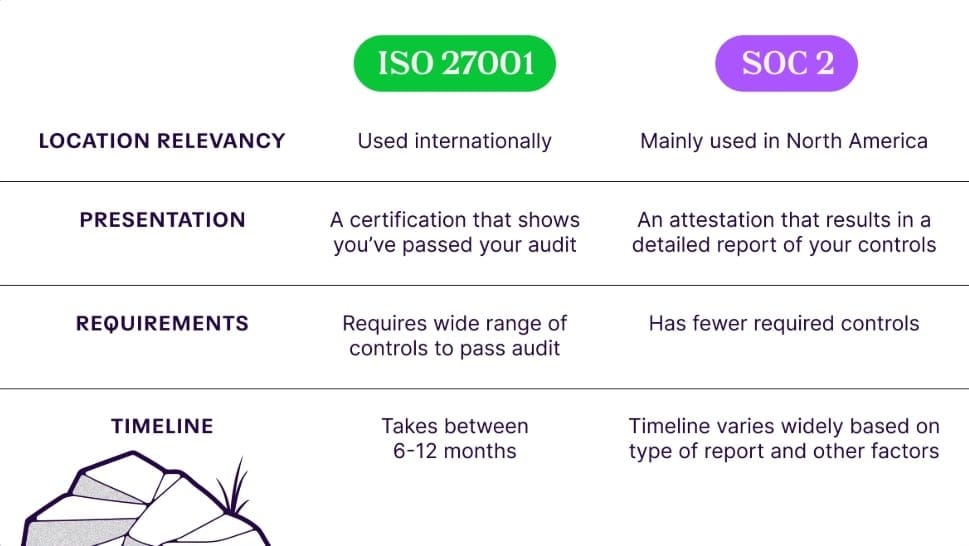
You should ask vendors to share their most recent SOC 2 Type II report. This will show you whether their security practices match the paperwork.
The second part is data handling and data retention.
Some companies do not want sensitive images leaving their country or private systems.
For example:
- banks
- hospitals
- government organizations
They require that images remain within their own region inside a private cloud.
If the vendor stores sensitive data, the company becomes legally responsible, and that can become a huge compliance risk in the future.
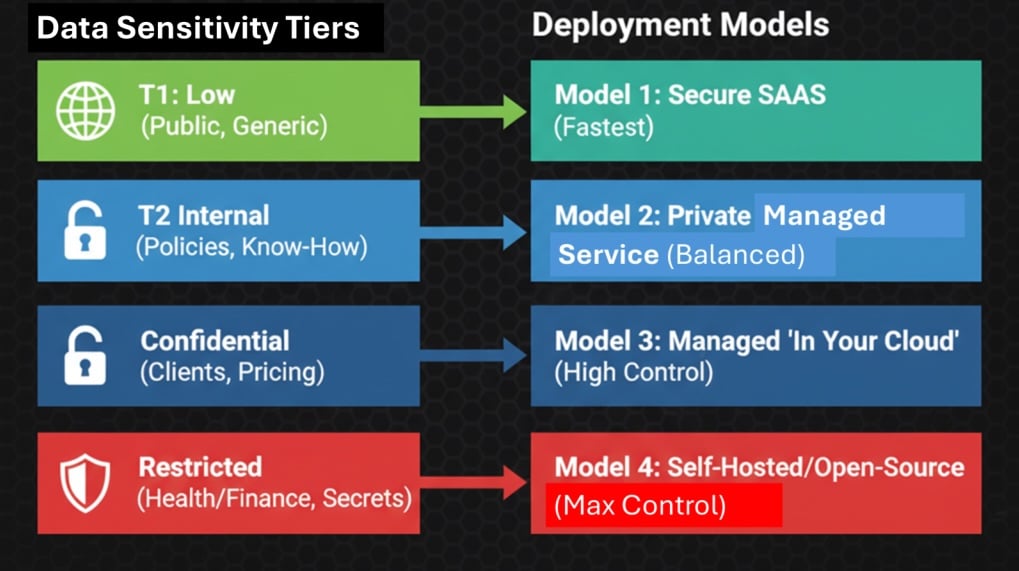
So before choosing an AI image detector, enterprises should ask:
Is the image being stored in your vendor’s system once your team submits a customer identity doc or an insurance claim photo?
Can you guarantee regional data storage, and also whether all these details are guaranteed in writing?
An audit trail is really important for security and compliance.
The NIST AI RMF requires documentation of the process and the rationale behind decision-making when AI systems are being deployed in high-profile contexts such as legal proceedings, formal fraud investigations, and regulatory filings.
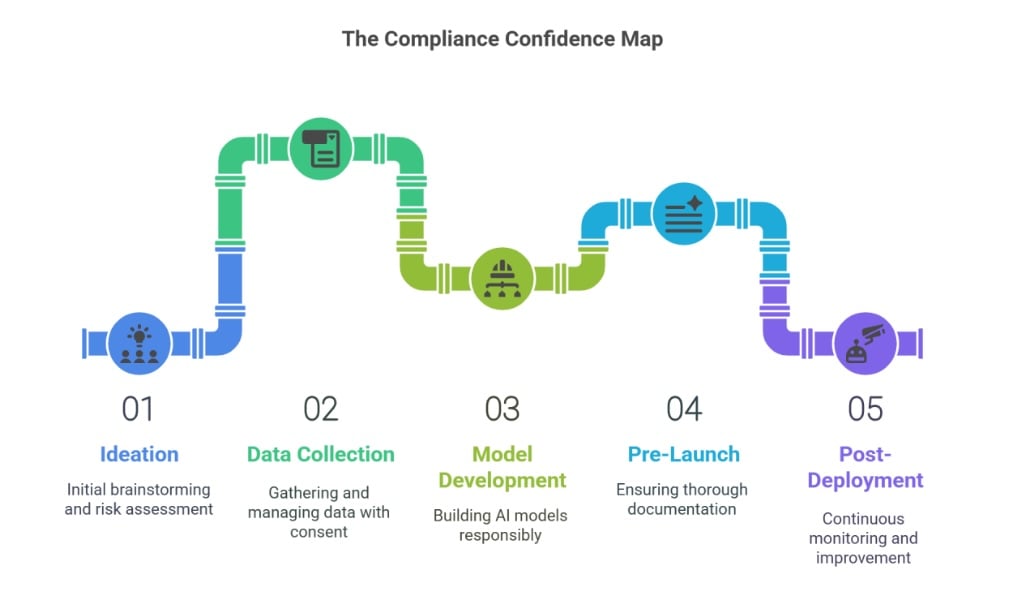
This supports accountability and transparency.
If you see this in practice, it means in insurance fraud and KYC disputes, the audit trail or audit log must capture a detailed, documented chain of study: a timestamp of when the image was checked, what the output was, what specific area caused the image to get flagged (heatmap), and who in your organization ran the analysis.
You need to ask your vendor if their enterprise deepfake detection software aligns with your organization’s policies and whether the audit trails are in acceptable formats for the legal team and any relevant regulatory authority.
Cost and ROI Considerations
The financial case for enterprise AI image detection is built on two numbers that most buyers calculate separately but should model together:
- The Cost of Fraud
It happens when a fake image was NOT caught by the system. It means the company approved fake claims, sent money, and accepted fake identities.
The insurance companies are already seeing the impact of these activities.
In 2024 alone, companies lost hundreds of thousands of dollars to deepfake scams, with large enterprises losing up to $680,000.
Deloitte made the prediction that AI-assisted fraud will reach $40 billion by 2027.
- The Cost of False Positives (The Calculation you should always run)
A false positive occurs when a REAL, unmanipulated image gets flagged as AI-generated.
In an insurance claim, a legitimate customer is flagged, and employees must have to manually review everything.
This will cost:
- Adjuster time
- Salaries
- Process delay cost
- customer frustration
The operational cost of manual review is different in every industry.
Let’s suppose an organization checks roughly 10,000 claims every month with a tool, and 5% of the claims get false-positive flags. That means 500 of those claims that got flagged incorrectly need manual review by employees, which can take hours.
A 2025 report from Appinventiv found that optimized AI fraud detection reduced false positives by 28% at a European health insurer within six months, directly accelerating legitimate claims approvals.
You should ask vendors for both calculations. Model the combined cost before comparing platforms on detection accuracy alone.
Vendor Evaluation Checklist
I made a ready-to-use checklist you can follow when shortlisting vendors.
| Criteria | Weight | What to Ask |
| Multi-modal detection (image + video + voice) | 25% | Does a single API call handle all three? One dashboard? |
| False positive rate on your specific image format | 25% | FP rate on compressed JPEG under 500KB? On mobile selfies? |
| Model update cadence | 20% | What generator versions did you use to train and retrain your model, and on what date? |
| Data retention policy | 20% | Zero-retention mode available? And see if it’s on the contract or just verbal? |
| Forensic output format | 10% | Is the report exportable for legal proceedings? Does it show pixel-level evidence? |
Examples of additional questions you should bring to your next vendor call:
“What is your process if a new AI Image generator model launches in the market?”
“If I provide you 40 images, can you run a live test and return the forensic report for each one of them before the evaluation ends?”
“Who should we reach out to regarding any complaint? (for example, an image your model is not catching) Name the person and their title.”
Make sure you ask all the questions, and any vendor worth shortlisting should be able to answer these immediately.
Why Enterprises Choose TruthScan
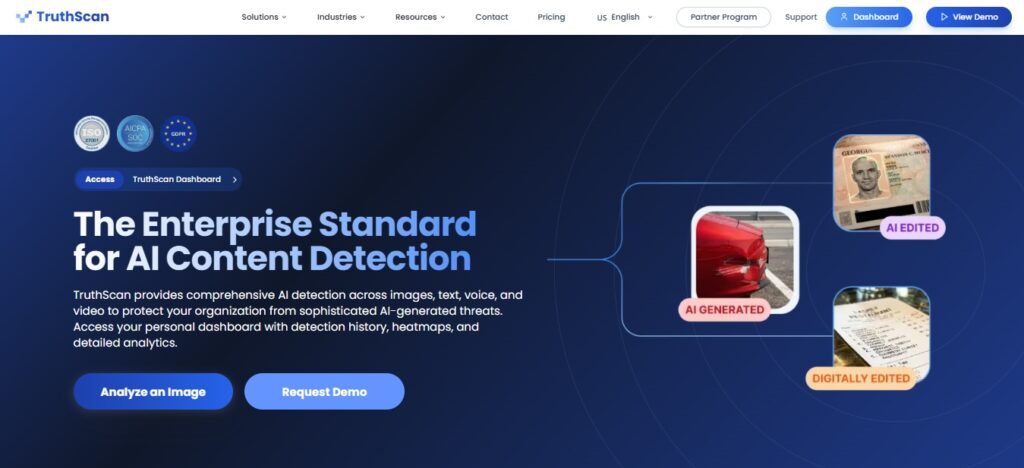
Truthscan is an enterprise AI detection system that detects images, videos, voices, as well as text through a single API and offers large-scale batch processing. (It is SOC 2 and ISO 27001-compliant, with response times under 500 ms)
Instead of mentioning only the features and pricing, let me first walk you through how TruthScan actually works.
I created an ID-style image using ChatGPT that looks almost too real, and checked it on TruthScan’s free version.
Is ChatGPT Weaponizing AI for Identity Fraud?
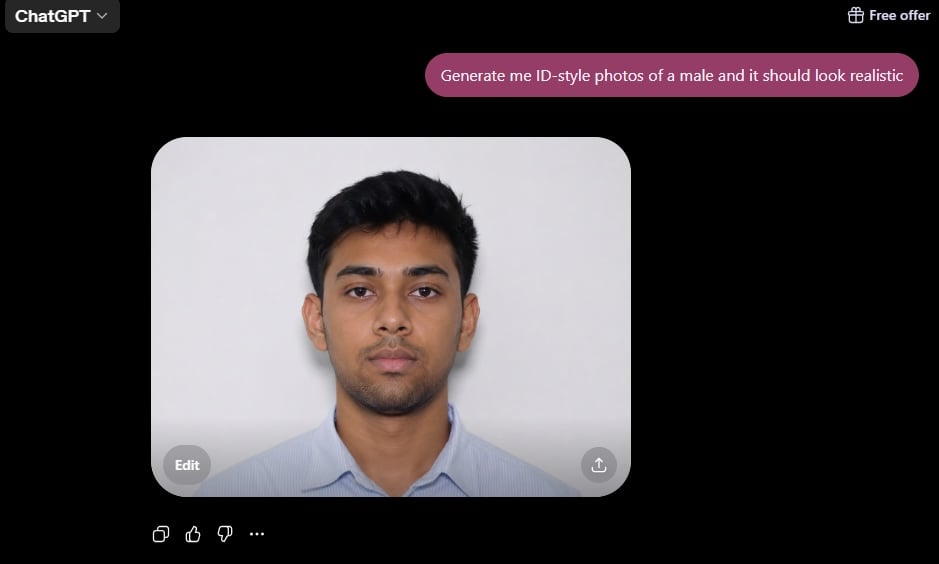
How the basic (free) version gave the output with 100% accuracy:
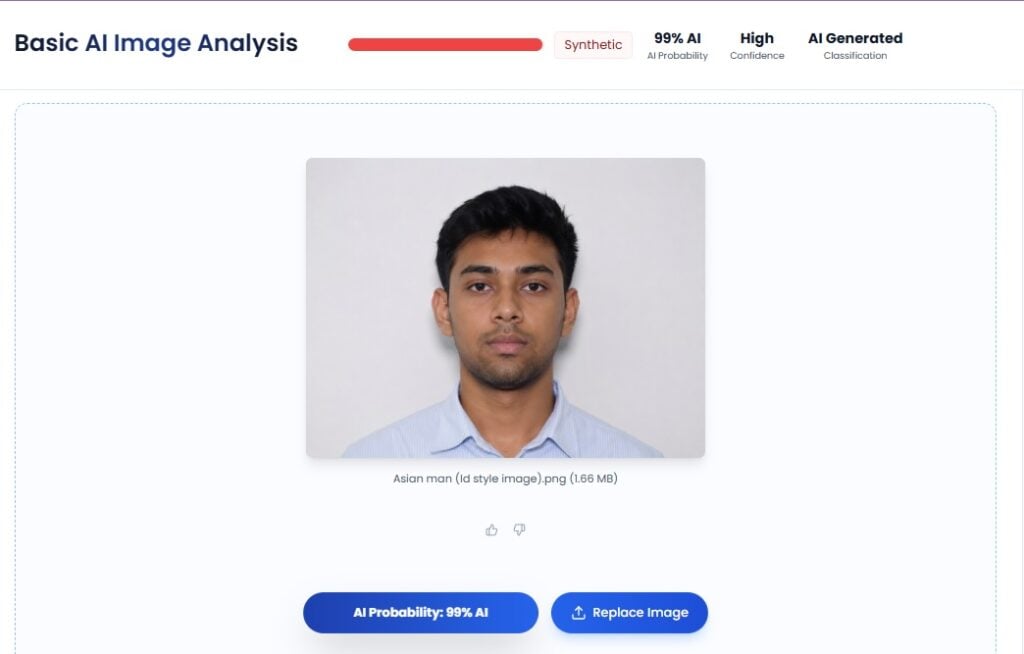
Downside: You will not get the heatmaps or a detailed report in the free version.
But you try the Demo version and check your images. You will get the AI probability score as well as the reposts that you can download and use.
How accurate is the TruthScan’s AI Image detector in 2026?
Let’s find that out by doing real tests. Shall we?
For this purpose, I generated four AI images from ChatGPT:
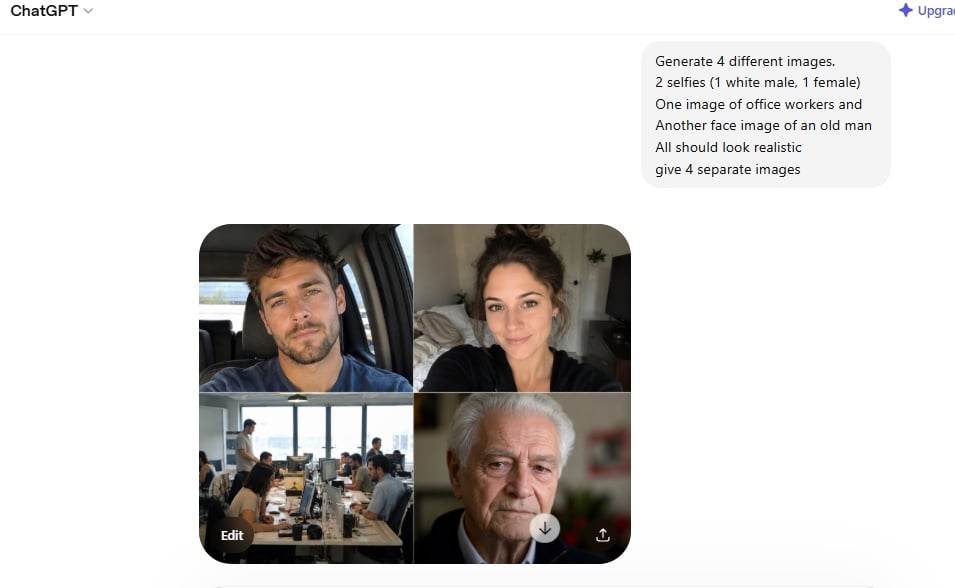
Then I checked them on TruthScan, and these are the results:
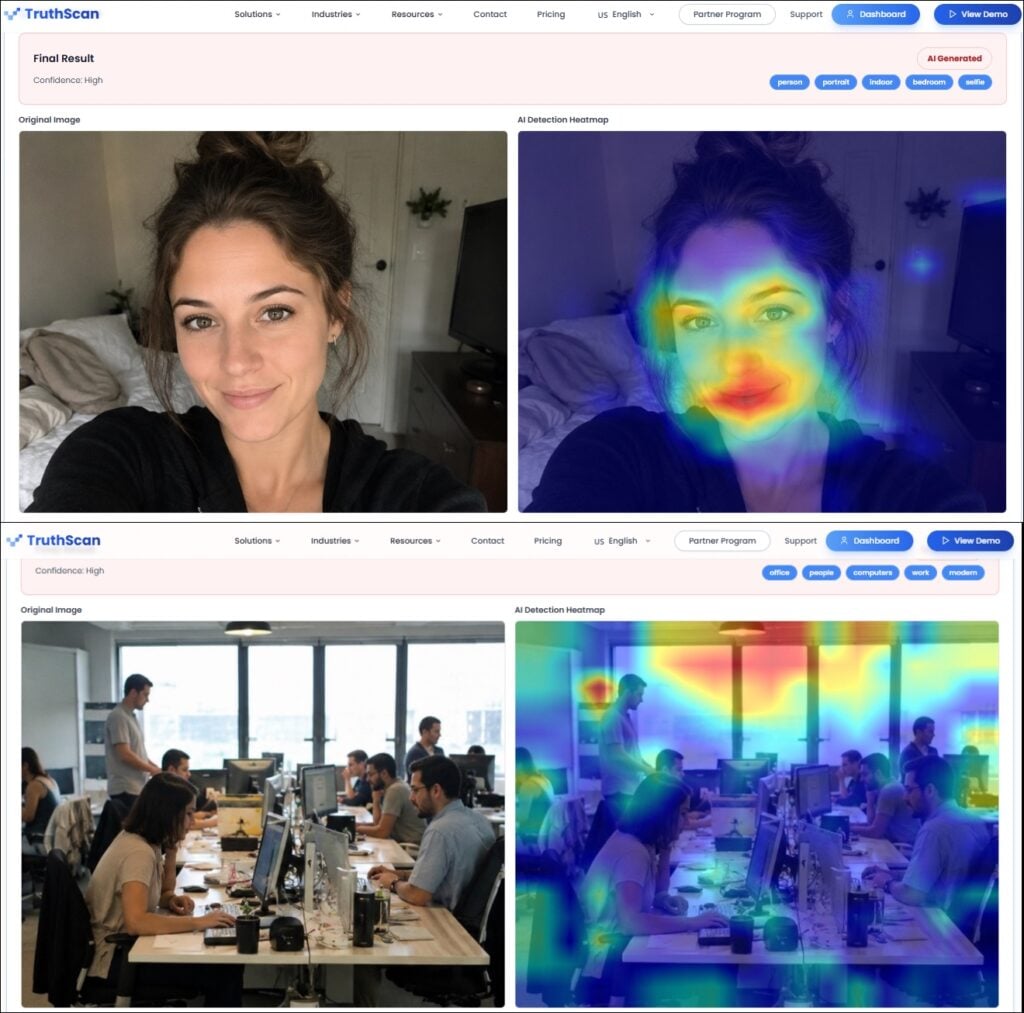
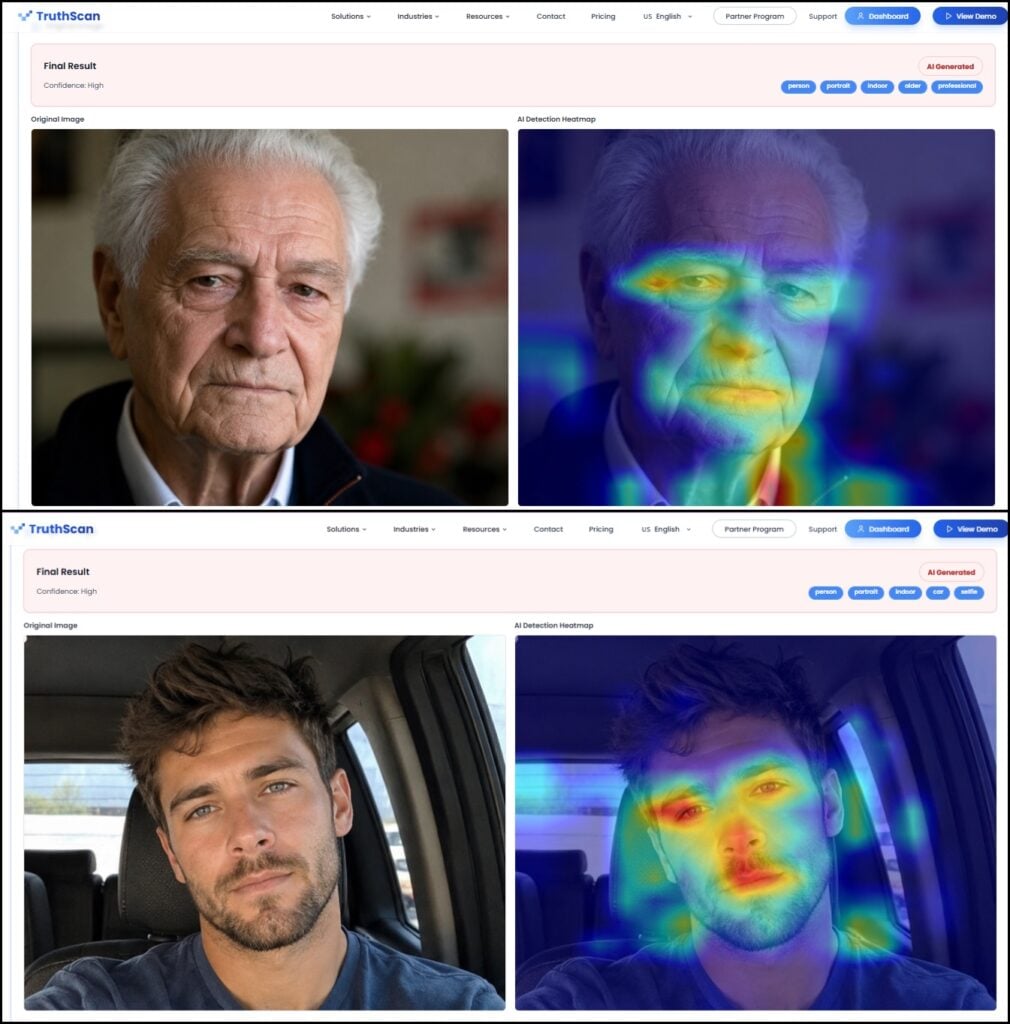
I’m showing you the first page of their reposts too:
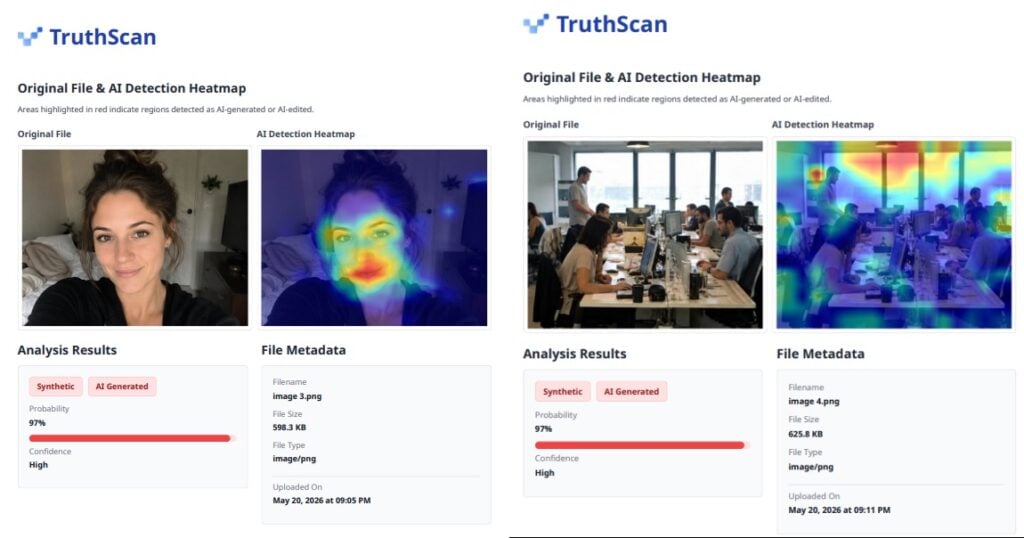
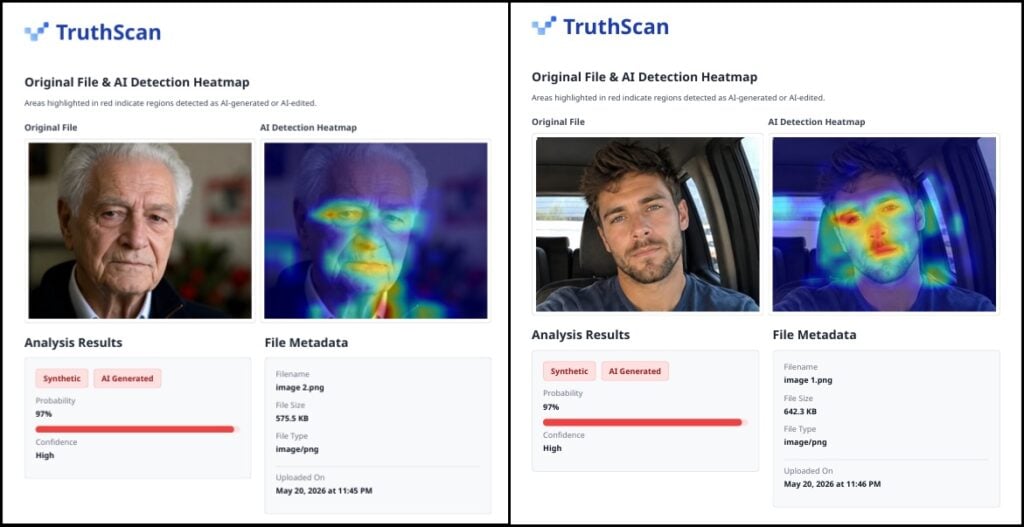
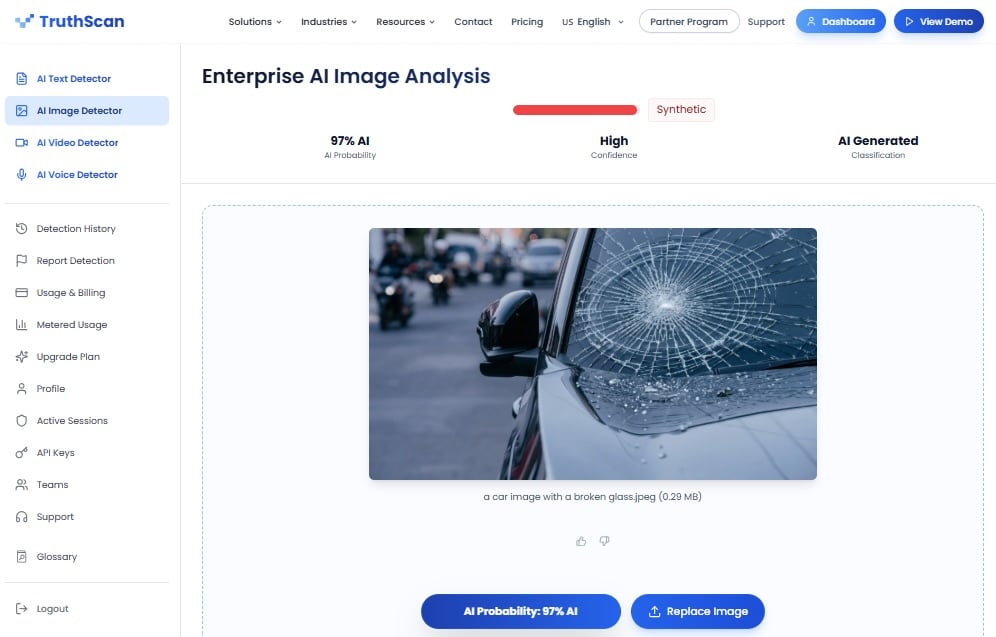
As you can see, these images were AI-generated from scratch and received a 97% AI probability, which is accurate.
But what if we use a real image from Google and manipulate it slightly with AI?
The real image altered by AI is an issue that many insurance claim teams face these days. Let’s check the tool’s accuracy on this domain.
Here’s the before and after version of the Image I created using AI:
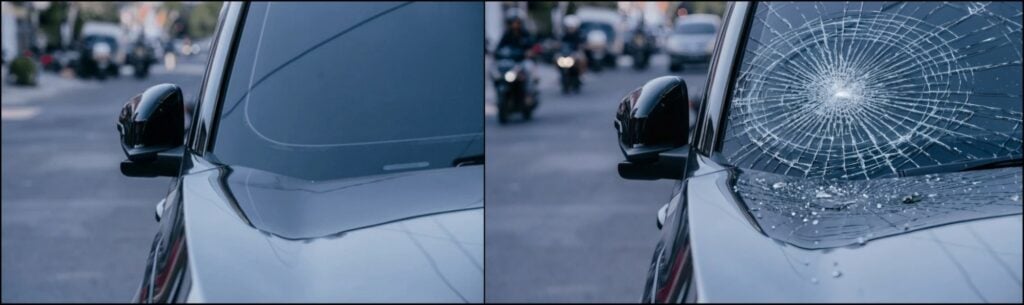
The prompt I used to get the second image:
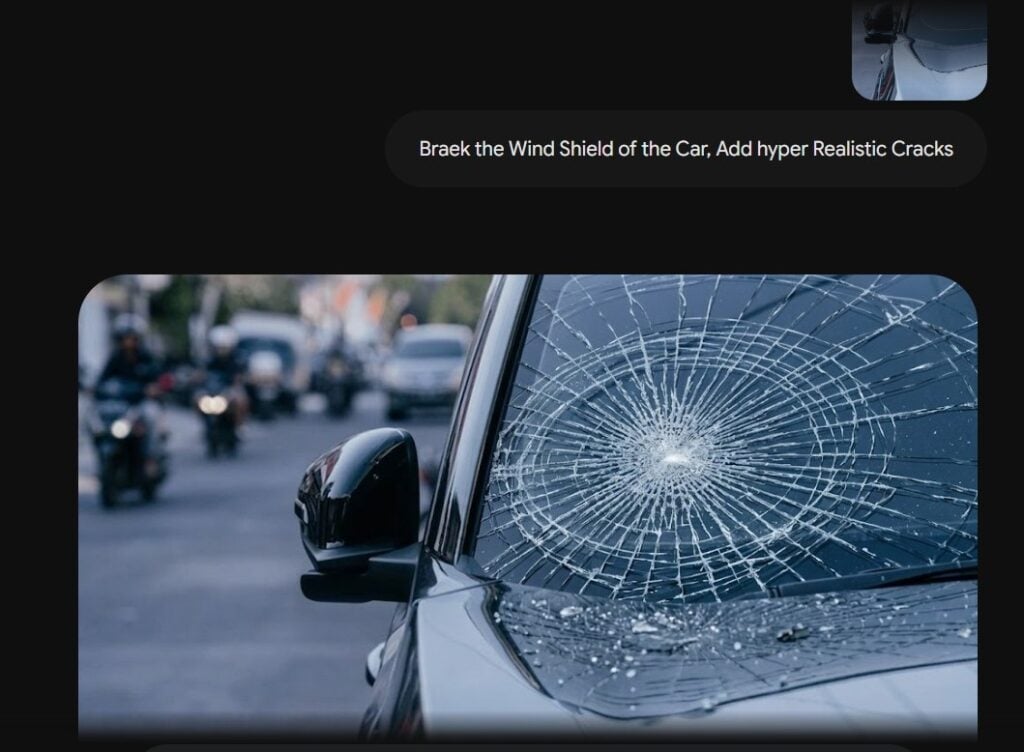
Before I ran the test, I compressed the JPEG image and then ran it through our enterprise fraud detection:
Here’s the Heatmap, so you can see exactly what was changed in this image:
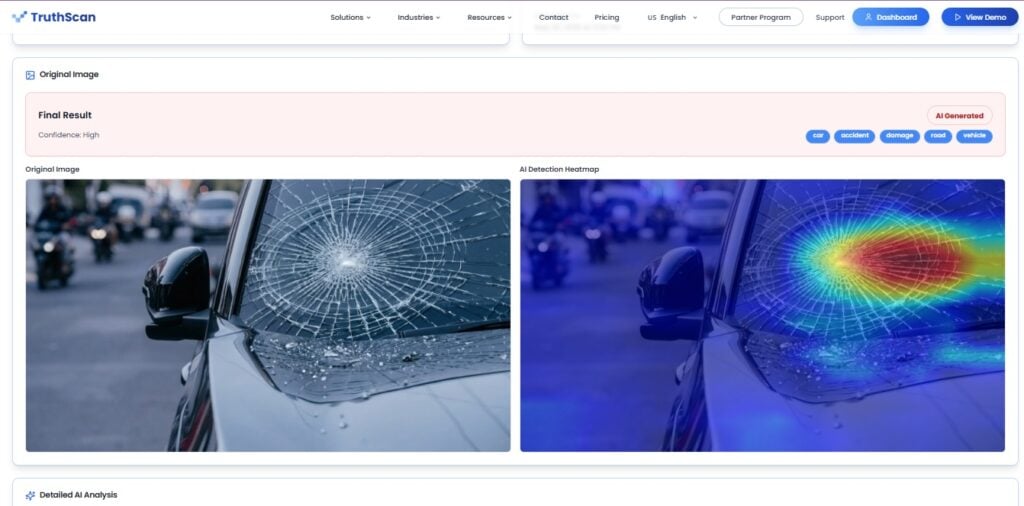
Again, 97% AI probability with high confidence. Great accuracy, right?
Now, before I conclude, let me take these tests a step further, and let’s face-swap an image to see if this detector can catch it.
I downloaded a royalty-free AI Image and face-swapped it using AI.
And the single prompt I used to do the face-swapping:
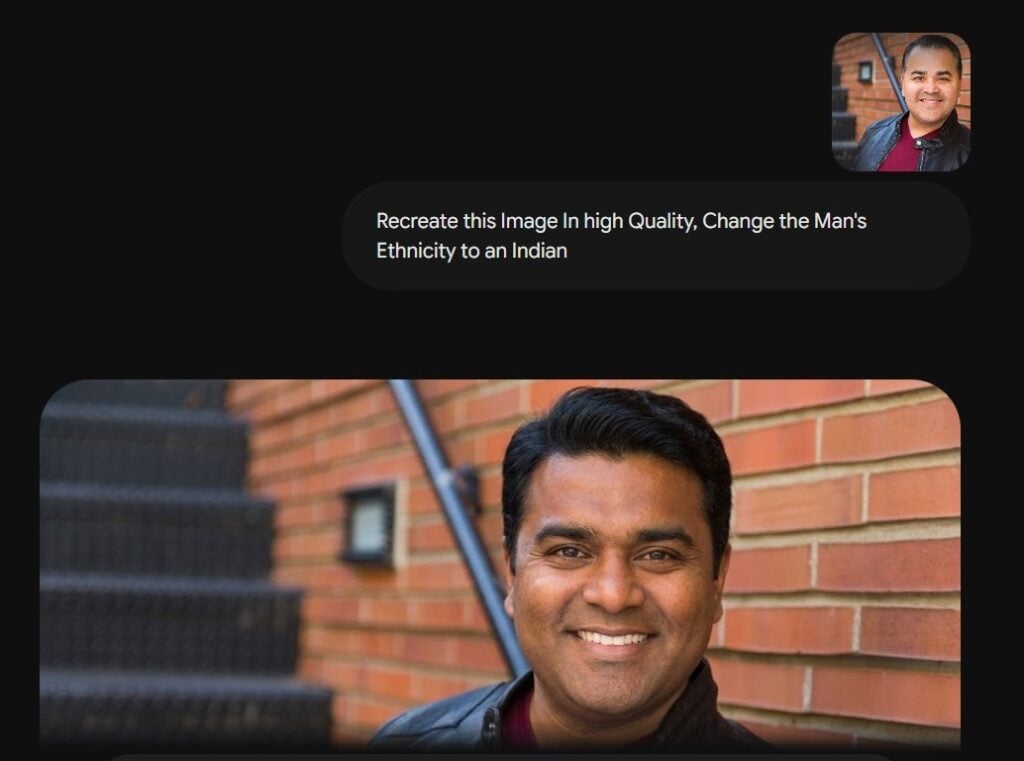
Here’s the before and after comparison:

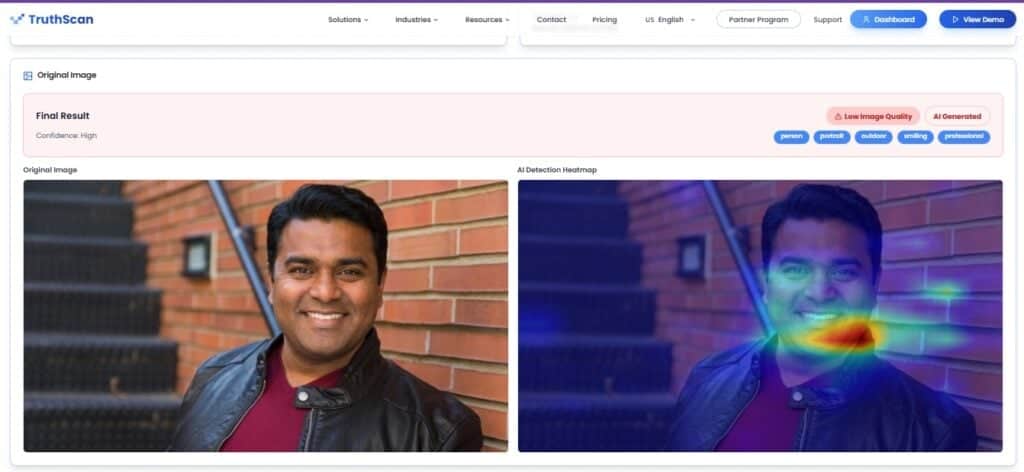
Now let’s check the face-swapped image on TruthScan: (yes, it passed our last test too)
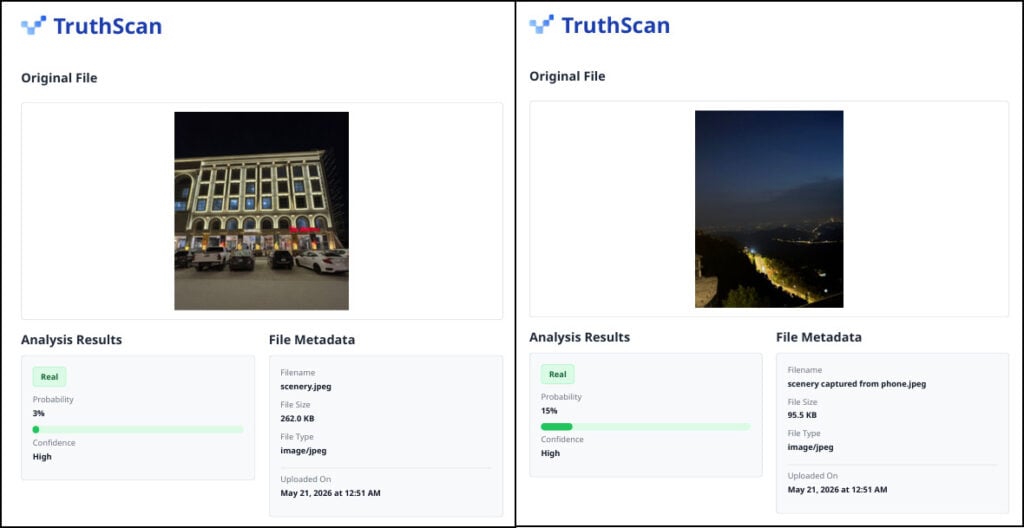
Lastly, to check this tool’s false positives, I used 2 different real images captured from the phone.
Difference: One image is high-resolution, and the other is slightly lower quality.

Different lighting and image quality were tested to assess the AI’s false positives.
I ran these images through TruthScan’s AI Detection tool, and here are the forensic reports with reasons:
Test Results Summary ( May 2026)
| Image Category | Sample | TruthScan Result | Response Time |
| Fully AI-generated (DALL-E 3) | 4 images | 96.7% detection rate | Sub-500ms |
| Shallowfake (manipulated real photos) | 2 images | Region-level flags on manipulated areas (high Confidence detection) | Sub-500ms |
| Real Images (No AI manipulation) | 2 Images | False positive rates are very low | Sub-500ms |
Things we can get from these tests:
- The forensic report can be downloaded and exported as a structured PDF with heat maps and a detailed analysis of the Images.
- The shallowfake detection gave not only detection scores but also heatmaps that highlighted exactly which areas were altered.
- Low false positive rate on real mobile photos, as they matter more to a KYC team than a 97.5% detection score.
What this test confirmed that benchmark reviews never mention: Benchmark datasets look clean and polished. Most enterprise fraud images have already been compressed, forwarded, cropped, or re-shared before they ever reach a review team.
Book your TruthScan enterprise demo
Request an Enterprise Demo
If you are a team looking into an AI Image authentication platform for KYC work patterns, Insurance fraud reviews, digital evidence verification, or large-scale content moderation, you can book a demo with us. The main purpose is to help you decide whether to use truthScan.
TruthScan’s enterprise process is centered around the usage for specific purposes rather than the scripted demo.
Mostly, teams brought the actual images and expected processing volumes to get a clear idea of how this platform works best for them.