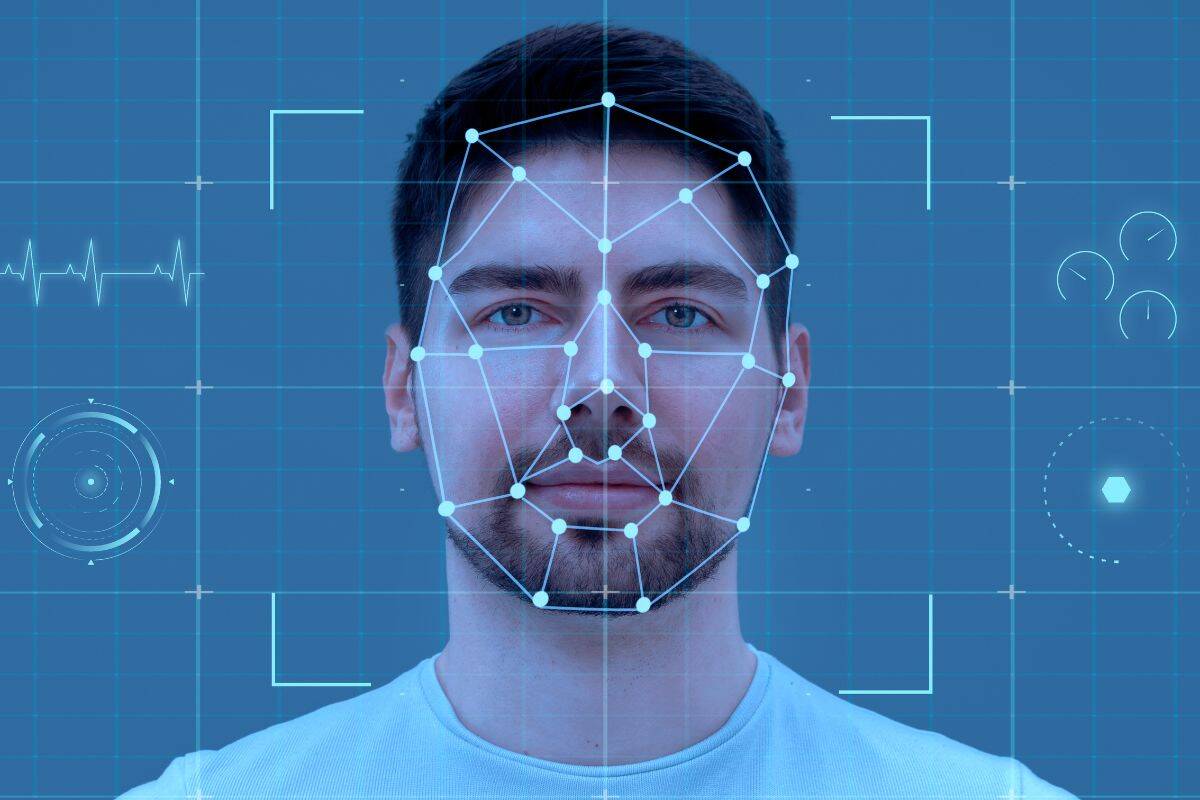
La vérification de la connaissance du client (KYC) est un processus utilisé par les entreprises pour confirmer l'identité de leurs clients.
Les origines de la vérification KYC remontent aux années 1970, lorsque l'inquiétude mondiale concernant les réseaux financiers cachés a commencé à croître. En 1970, les États-Unis ont adopté le Bank Secrecy Act (BSA), qui obligeait toutes les banques à vérifier l'identité de leurs clients.
Le processus est devenu plus formel après 2001, lorsque le USA PATRIOT Act a élargi les obligations de vérification d'identité pour toutes les institutions financières.
Mais qu'est-ce qu'une vérification KYC exactement, et comment fonctionne-t-elle ? Dans cet article, nous répondons à cette question et en discutons plus en détail !
Entrons dans le vif du sujet.
Principaux enseignements
- La vérification KYC est un système de défense de l'identité à plusieurs niveaux destiné à prévenir la fraude, le blanchiment d'argent et la criminalité financière en vertu de la réglementation américaine.
- De nombreuses entreprises ont désormais fait passer le processus KYC des dossiers papier et des vérifications en personne à des flux de travail numériques en temps réel.
- Il existe de nombreux moyens de vérifier l'identité pour le KYC, tels que les examens traditionnels en personne, l'eKYC, la création d'identité biométrique, la vérification vidéo en direct et la numérisation de documents à l'aide de la technologie NFC.
Qu'est-ce qu'une vérification KYC ?
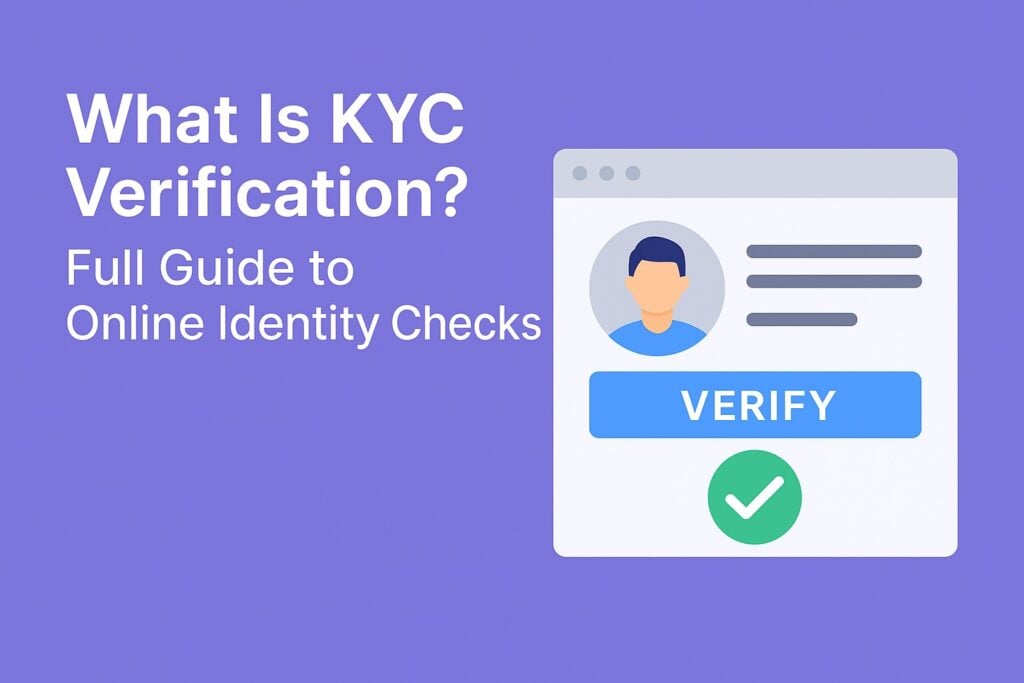
La vérification KYC, abréviation de Know Your Customer, est le processus utilisé par les entreprises pour confirmer l'identité de leurs clients.
Il est très utile contre :
- Fraude et corruption
- Blanchiment d'argent
- Financement du terrorisme
- Criminalité financière
Aux États-Unis, la conformité KYC est une exigence de la Bank Secrecy Act (BSA), la USA PATRIOT Act. Elle suit un ensemble de directives du Financial Crimes Enforcement Network (FinCEN).
Ne vous inquiétez plus jamais de la fraude à l'IA. TruthScan peut vous aider :
- Détecter l'IA générée des images, du texte, de la voix et de la vidéo.
- Éviter la fraude majeure induite par l'IA.
- Protégez vos plus sensible les actifs de l'entreprise.
La procédure comprend
- le programme d'identification des clients (CIP), qui vous oblige à collecter des informations personnelles essentielles auprès de vos clients (nom, date de naissance, adresse, pièce d'identité délivrée par l'État, etc.)
- la diligence raisonnable à l'égard de la clientèle (CDD), c'est-à-dire l'évaluation du risque par l'examen des antécédents du client et de ses transactions antérieures
- La diligence raisonnable renforcée (EDD) s'applique aux clients à haut risque avec des contrôles plus stricts.
- Surveillance continue pour suivre toutes les transactions des clients et détecter les activités suspectes au fil du temps
KYC était autrefois un processus fastidieux, lourd en papier et comportant de nombreuses étapes. Heureusement, nous disposons aujourd'hui de plusieurs solutions qui en ont fait un flux de travail numérique.
TruthScan, Par exemple, la vérification de l'identité est accessible par le biais de processus et de tableaux de bord simples en ligne.
Comment fonctionne la vérification KYC
Maintenant que vous savez ce qu'est la vérification d'identité kyc, voyons comment elle fonctionne.
La vérification KYC se fait en trois étapes :
- Collecte des données : Les entreprises demandent aux clients d'utiliser leur smartphone pour scanner un document d'identité officiel, c'est-à-dire un passeport, une carte d'identité nationale, un permis de conduire ou un permis de séjour, etc. Dans certains cas, les clients doivent également enregistrer une courte vidéo en direct où ils montrent leur visage de face et de profil.
- Vérification : Les informations mentionnées sur le document d'identité sont vérifiées par rapport à la personne qui le présente. Par exemple, l'analyseur de documents AI et le moteur de vérification en temps réel de TruthScan comparent la vidéo en direct à la photo d'identité. Simultanément, il extrait le nom, la date de naissance, la nationalité, la date d'expiration du document et évalue la véracité du document.
- Approbation : Vous obtenez un résultat définitif quant à la crédibilité du client. Soit le document et le visage correspondent, ce qui confirme leur authenticité, soit le système signale une incohérence.
Les principaux types de vérification KYC
Le concept de vérification KYC consiste à s'assurer, d'une manière ou d'une autre, que vos clients sont bien ceux qu'ils prétendent être et que vous ne risquez pas d'être victime d'une escroquerie.
Bien entendu, il existe plusieurs voies d'accès.
Vérification traditionnelle
La vérification KYC traditionnelle nécessite un examen humain à chaque étape.
Les entreprises demandent à leurs clients de présenter des copies physiques de leurs documents d'identité.
Une fois soumis, les documents sont inspectés manuellement pour en vérifier l'authenticité, c'est-à-dire qu'un examinateur vérifie la présence de filigranes, d'hologrammes, de dates d'expiration et d'autres éléments de sécurité.
Les employés comparent la photo de la pièce d'identité à celle de la personne qui la présente en personne. Ils peuvent consulter des dossiers gouvernementaux ou des bases de données financières pour confirmer les détails de la pièce d'identité.
Numérique et eKYC
Le KYC numérique, également appelé eKYC, permet aux clients de procéder à la vérification de leur identité à l'aide de leur smartphone ou de leur ordinateur.
Ils doivent télécharger à distance une photo de leurs documents d'identité.
Un contrôle de présence est effectué par le biais d'une vidéo en ligne qui montre le visage du client sous plusieurs angles pour la reconnaissance faciale.
Un système extrait et valide ensuite les données du document tout en vérifiant ses caractéristiques de sécurité.
Le KYC numérique utilise également des vérifications de bases de données en temps réel pour recouper les dossiers gouvernementaux ou identifier les personnes politiquement exposées (PEP).

KYC biométrique et sans document
Ce type de vérification KYC élimine totalement le besoin de documents d'identité physiques.
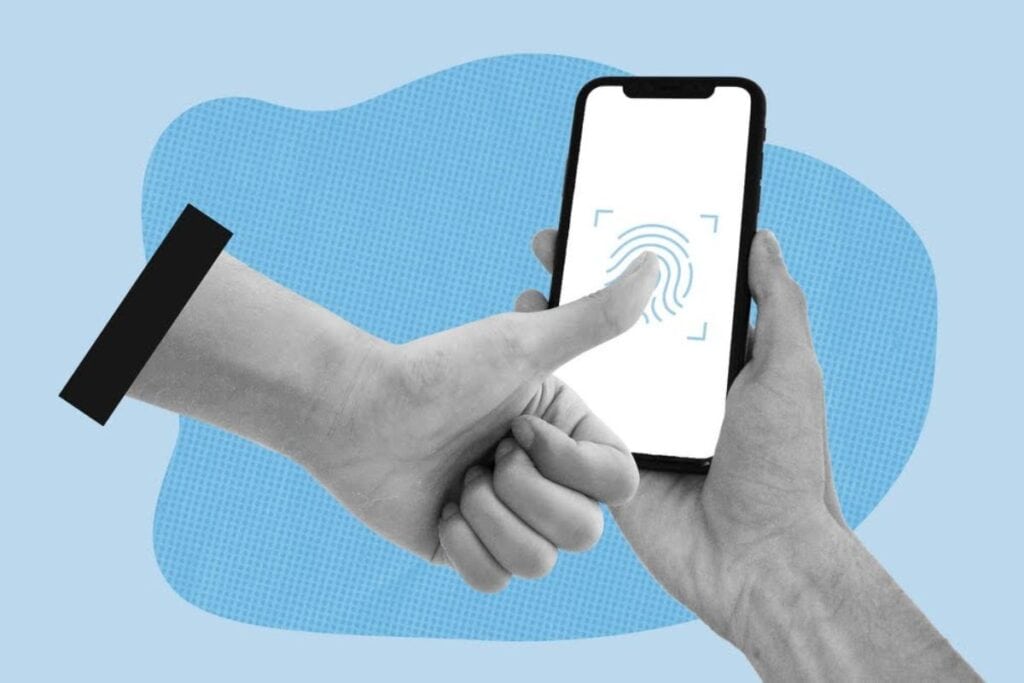
Les clients doivent soumettre un scan en direct de leur visage ou de leurs empreintes digitales pour obtenir des données biométriques à l'aide de leur smartphone.
Un algorithme crée un profil d'identité numérique à partir de ces informations biométriques spécifiques qui peuvent être vérifiées dans les bases de données gouvernementales.
Pour éviter toute forme d'usurpation d'identité dans le cadre de la vérification biométrique, l'algorithme est entraîné à différencier les changements subtils dans la texture de la peau ou les micro-expressions faciales.
Vidéo KYC
Le KYC vidéo est une méthode de vérification en temps réel basée sur le KYC numérique avec une interaction en direct.
Avec cette méthode, le client n'est pas tenu de télécharger ses documents d'identité où que ce soit. Ils sont vérifiés par le biais d'une session vidéo en direct avec un agent formé.
Pendant l'appel vidéo, le client présente sa pièce d'identité à la caméra et vous vous assurez que la personne qui appelle est bien réelle.
La reconnaissance faciale et la vérification des documents se font simultanément et en temps réel.
KYC automatisé et NFC
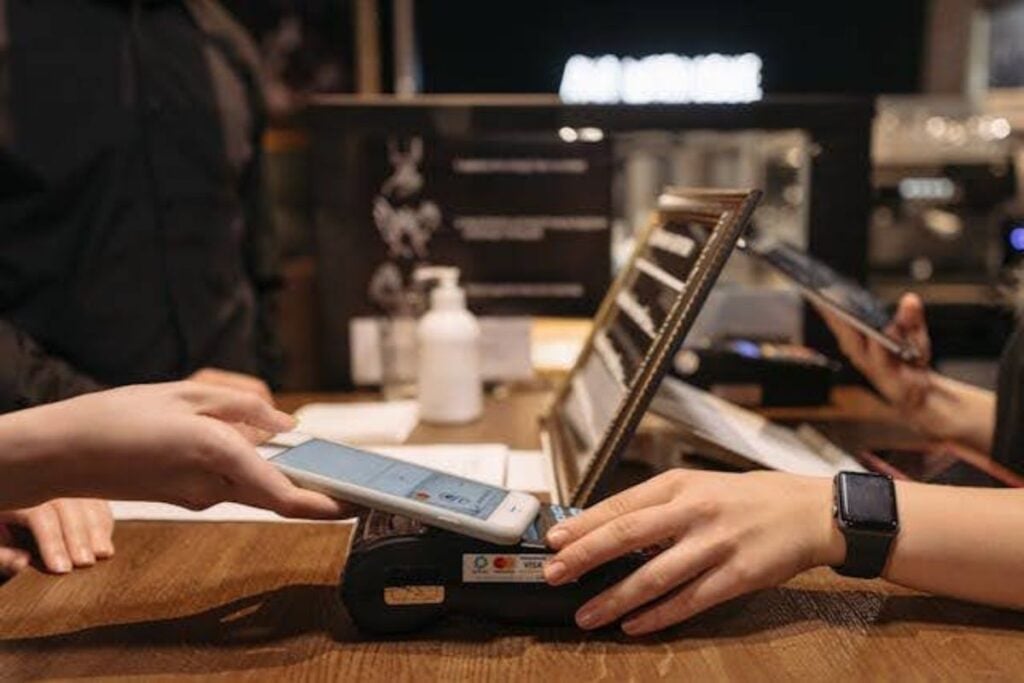
La NFC (Near Field Communication) est une technologie de communication sans fil à courte portée qui permet à deux appareils d'échanger des données lorsqu'ils sont très proches.
Il s'agit de la même technologie que celle utilisée pour les cartes de paiement sans contact et les documents d'identité intelligents.
NFC KYC est une méthode moderne de vérification de l'identité intégrée à certains documents, passeports électroniques ou permis de conduire intelligents.
La carte d'identité du client contient une puce NFC qui stocke des informations personnelles cryptées. Il suffit au client de toucher le document ou de le tenir à proximité d'un appareil compatible NFC pour que celui-ci lise les données cryptées de la puce.
L'appareil recoupe ensuite les données de la puce NFC avec les données biométriques de l'utilisateur. C'est beaucoup plus rapide que n'importe quel autre type de vérification KYC.
Pourquoi KYC est-il si important aujourd'hui ?
Partout dans le monde, les régulateurs placent la barre plus haut en matière de conformité financière.
Tous les secteurs qui traitent de l'argent d'une manière ou d'une autre, c'est-à-dire les banques, les fintech, les fournisseurs de services, sont tenus de confirmer que leurs clients sont bien ceux qu'ils prétendent être.
Le USA PATRIOT Act, le Bank Secrecy Act et les lois mondiales contre le blanchiment d'argent (AML) imposent des sanctions sévères aux entreprises qui ne respectent pas les normes KYC.
D'après Rapport trimestriel de Corlytics, Les sanctions financières liées à la lutte contre le blanchiment d'argent ont atteint $2,91 milliards d'euros pour le seul deuxième trimestre 2025.
La principale raison de cette réglementation stricte est la prévention de la fraude. Aux États-Unis, chaque $1 perdu à cause de la fraude coûts des entreprises de services financiers $4 dans le suivi des pertes et la remédiation.
Le KYC permet de lutter contre les risques de fraude de tous types en empêchant la création de comptes fictifs illégaux.
En outre, les entreprises intègrent désormais leurs clients au-delà des frontières et des fuseaux horaires, souvent sans jamais les rencontrer en personne.
Les solutions numériques KYC telles que TruthScan authentifient les identités dans le monde entier à l'aide de divers documents et pièces d'identité émis par les gouvernements dans plusieurs langues.
Le moteur de vérification piloté par l'IA est indispensable aujourd'hui pour répondre aux demandes d'authentification émanant du monde entier.
Il détecte les fraudes en temps réel et surveille les transactions pour s'assurer qu'elles sont conformes aux règles de lutte contre le blanchiment d'argent.
Restez en conformité avec la plateforme KYC de TruthScan!
Défis courants en matière de vérification KYC
Bien entendu, la vérification KYC est sujette à de nombreux obstacles dans le monde réel.
Les "deepfakes" générés par l'IA constituent l'une des menaces les plus croissantes pour les systèmes KYC. Les images et les vidéos synthétiques créées à l'aide de l'IA générative peuvent parfois sembler humainement convaincantes.
Selon Gartner, D'ici à 2026, 30% des entreprises cesseront de s'appuyer sur des outils de vérification de l'identité et d'authentification isolés.
Recherche 2022 de Fenergo a constaté que les examens KYC manuels absorbent encore une grande partie du temps des équipes de conformité, car 31-60% des tâches sont traitées manuellement dans de nombreuses institutions.
Un seul examen KYC coûte en moyenne entre $1 501 et $3 500. Il existe un besoin énorme de numériser le processus à plus grande échelle.
Même lorsque les systèmes KYC numériques sont fonctionnels, nombre d'entre eux ne fonctionnent pas de manière optimale.
Une étude de Bynn a révélé que jusqu'à 30% des clients abandonnent le processus de vérification de l'identité parce qu'il est trop compliqué pour eux.
Les systèmes KYC doivent également tenir la corde entre l'exclusion de la fraude et l'entrée des vrais clients. Il s'agit du taux de fausses acceptations (FAR) et du taux de faux rejets (FRR).
- Un FRR élevé signifie que des utilisateurs légitimes sont refusés à tort, ce qui nuit à l'expérience des clients.
- Un FAR élevé expose l'entreprise à des risques de fraude
L'étude de Bynn a montré que la réduction de l'un augmente souvent l'autre. Trouver un équilibre entre les deux est donc un défi pour les entreprises.
Comment la technologie transforme le KYC
Grâce à la technologie, l'obligation de vérification KYC, qui nécessite de nombreux documents, est devenue un processus de défense beaucoup plus rapide et à plusieurs niveaux pour les entreprises.
Il existe aujourd'hui de nombreux outils de vérification qui capturent des données, les interprètent, les mettent en corrélation avec plusieurs autres bases de données et les valident par rapport à plusieurs signaux afin de déterminer si une identité est authentique.
Un tel processus en plusieurs étapes est absolument nécessaire aujourd'hui, car l'IA a suffisamment progressé pour contourner les canaux de vérification à signal unique.
La technologie KYC actuelle peut également traiter du texte, des images, de la vidéo, de l'audio et des médias synthétiques.
TruthScan, par exemple, utilise la vision artificielle et l'analyse audio pour détecter les manipulations effectuées par l'IA.
Il examine minutieusement l'asymétrie du visage, les clignements d'yeux non naturels, les comportements d'éclairage incorrects et les micro-expressions qui ne correspondent pas aux mouvements naturels de l'être humain.
Sur le plan audio, il identifie des classes de signes de clonage de la voix, notamment des distorsions de la forme d'onde et des résonances vocales inadaptées.
Les plateformes KYC de niveau entreprise fonctionnent également sur des infrastructures conformes aux normes SOC 2, ISO 27001 et GDPR.
On pourrait dire que KYC est désormais un système intelligent de renseignements sur l'identité plutôt qu'une exigence à cocher en raison de la technologie !
Réflexions finales
J'espère que vous comprenez maintenant parfaitement ce qu'est la vérification KYC/AML.
La vérification KYC est une obligation réglementaire que chaque institution financière doit respecter pour rester en conformité avec les lois sur la lutte contre le blanchiment d'argent et la protection des données.
La conformité ne doit cependant pas épuiser votre temps et vos ressources.
Les entreprises à croissance rapide rationalisent leurs opérations de diligence raisonnable grâce à une plateforme de vérification d'identité fiable.
Assurez-vous simplement que l'outil respecte les réglementations internationales et locales, qu'il prend en charge la protection des données au niveau du GDPR et qu'il gère d'importants volumes d'informations sur les clients.
TruthScan offre une vérification KYC entièrement conforme et sécurisée avec une détection de la fraude multi-signaux conçue pour une infrastructure de niveau entreprise.
Notre suite d'outils de vérification KYC vous offre tout ce dont vous avez besoin pour embarquer des clients légitimes et filtrer tous les mauvais joueurs !
S'inscrire à TruthScan aujourd'hui !