
Εάν παραδώσετε ολόκληρο το προσωπικό σας χαρτοφυλάκιο σε μια επιχείρηση για να αποδείξετε την ταυτότητά σας, είναι φυσικό να αναρωτιέστε πώς γίνεται ο χειρισμός αυτών των πληροφοριών.
Και ειλικρινά, αυτό είναι δίκαιο. Όταν κάποιος δημιουργεί έναν ψηφιακό κλώνο του διαβατηρίου σας, το λιγότερο που μπορεί να κάνει είναι να εξηγήσει γιατί και πώς σκοπεύει να το προστατεύσει.
Η ασφάλεια των δεδομένων των πελατών είναι η βασική υπόσχεση που πρέπει να τηρεί κάθε υπεύθυνη επιχείρηση.
Υπάρχουν αυστηροί κανόνες και κανονισμοί για τη διατήρησή του, αλλά ακόμη και με αυτούς, έχουμε δει μερικά παραδείγματα παραβίασης δεδομένων όπου εκτέθηκαν ευαίσθητες πληροφορίες KYC.
Τέτοια περιστατικά εγείρουν φυσικά ερωτήματα σχετικά με το πόσο διαφανής και ασφαλής είναι πραγματικά η διαδικασία KYC.
Σε αυτό το άρθρο, θα μάθετε όλα όσα πρέπει να γνωρίζετε σχετικά με το αν η επαλήθευση KYC είναι πραγματικά ασφαλής, σε τι είδους κινδύνους είναι επιρρεπής και πώς να προστατεύσετε τα δεδομένα σας.
Βασικά συμπεράσματα
- Η επαλήθευση KYC απαιτεί ιδιαίτερα ευαίσθητα προσωπικά δεδομένα, γεγονός που καθιστά την ασφάλεια αδιαπραγμάτευτη.
- Οι πληροφορίες της ταυτότητάς σας ταξιδεύουν μέσω προμηθευτών, ελεγκτών και συνεργατών και κάθε μεταβίβαση αυξάνει τον κίνδυνο κατάχρησης.
- Οι υπεύθυνες επιχειρήσεις καταπολεμούν τους κινδύνους παραβίασης δεδομένων με την εισαγωγή κρυπτογράφησης δεδομένων, αυστηρών ελέγχων πρόσβασης, νομικής συμμόρφωσης και εσωτερικών δικλείδων ασφαλείας που πραγματικά ενοχλούν τους εργαζόμενους (όπως θα έπρεπε).
Τι είναι η ασφάλεια επαλήθευσης KYC;

Το KYC (Know Your Customer) είναι η διαδικασία με την οποία οι επιχειρήσεις διασφαλίζουν ότι οι πελάτες τους είναι πραγματικοί άνθρωποι με πραγματική ταυτότητα. Και για να το κάνουν αυτό, οι επιχειρήσεις χρειάζονται ένα σωρό ευαίσθητες πληροφορίες.
Η ασφάλεια της επαλήθευσης KYC περιλαμβάνει τα μέτρα που αποσκοπούν στο να αποτρέψουν αυτές τις πληροφορίες από το να γίνουν ψηφιακό κομφετί στα χέρια των απατεώνων.
Τα μέτρα αυτά περιλαμβάνουν κρυπτογράφηση, ασφαλείς βάσεις δεδομένων, ελέγχους πρόσβασης, αρχεία καταγραφής ελέγχου κ.λπ.
Μην ανησυχείτε ποτέ ξανά για την απάτη με τεχνητή νοημοσύνη. TruthScan Μπορεί να σας βοηθήσει:
- Ανίχνευση AI που παράγεται εικόνες, κείμενο, φωνή και βίντεο.
- Αποφύγετε το σημαντική απάτη με βάση την τεχνητή νοημοσύνη.
- Προστατέψτε τα πιο ευαίσθητο περιουσιακά στοιχεία της επιχείρησης.
Είναι πολύ, πολύ σημαντικό να διατηρούνται τα δεδομένα επαλήθευσης KYC ασφαλή. Τα δεδομένα που παραδίδουν οι πελάτες για επαλήθευση είναι ακριβώς αυτά που αναζητούν πάντα οι εγκληματίες του κυβερνοχώρου!
Είναι μεγάλης αξίας και είναι πολύ δύσκολο να αλλαχθεί όταν κλαπεί.
Τι σημαίνει “ασφάλεια” στο πλαίσιο του χειρισμού δεδομένων KYC
Η έννοια της ασφάλειας των δεδομένων στο KYC είναι αρκετά υποκειμενική.
Αν θέλουμε να είμαστε ειλικρινείς, κανένα σύστημα δεν είναι 100% αδιαπέραστο. Το 2024, επιτιθέμενοι έκλεψαν εκατομμύρια αρχεία από την υπηρεσία KYC World-Check, γεγονός που αποδεικνύει ότι οι μεγάλες, καλά εξοπλισμένες βάσεις δεδομένων μπορούν επίσης, μερικές φορές, να παραβιαστούν.
Φυσικά, υπάρχουν αυστηροί νόμοι για την προστασία των δεδομένων που διέπουν τον τρόπο με τον οποίο πρέπει να συλλέγονται και να αποθηκεύονται οι πληροφορίες KYC. Ο GDPR, η CCPA και η PDPA είναι μερικά από αυτά τα παραδείγματα.
Έτσι, μια υπεύθυνη επιχείρηση θα διασφαλίζει πάντα την ασφάλεια των δεδομένων των πελατών της που συλλέγονται κατά τη διάρκεια του KYC.
Όμως, ως πελάτης, έχετε να παίξετε το δικό σας ρόλο στο να καθορίσετε αν η εταιρεία με την οποία μοιράζεστε τα δεδομένα σας είναι αρκετά αξιόπιστη.
Τι συλλέγει και τι κάνει η επαλήθευση KYC
Κάθε φορά που εγγράφεστε σε έναν τραπεζικό λογαριασμό, σε μια πλατφόρμα συναλλαγών, σε ένα ανταλλακτήριο κρυπτογράφησης ή σε οτιδήποτε εξ αποστάσεως χρηματοοικονομικό, πρέπει να διασφαλίζετε ότι δεν είστε βιτρίνα για εγκληματική δραστηριότητα.
Και αυτό απαιτεί να στείλετε τα προσωπικά σας δεδομένα, τα οποία περιλαμβάνουν:
- Το πλήρες, νόμιμο όνομά σας, όπως εμφανίζεται στην ταυτότητά σας
- Ημερομηνία γέννησης
- Διεύθυνση κατοικίας
- Κάποια μορφή κρατικής ταυτότητας, π.χ. διαβατήριο, άδεια οδήγησης, εθνική ταυτότητα.
- Βιομετρικά δεδομένα
- Οικονομικά αναγνωριστικά στοιχεία όπως ένας τραπεζικός λογαριασμός ή ένας αριθμός πιστωτικής κάρτας
- Δικαιολογητικά έγγραφα, όπως λογαριασμοί κοινής ωφέλειας ή φορολογικές δηλώσεις, που επικυρώνουν τη διεύθυνσή σας
Όλα αυτά τα δεδομένα χρησιμοποιούνται για να επιβεβαιωθεί ότι δεν έχετε εμπλακεί στο παρελθόν σε οποιουδήποτε είδους ύποπτη οικονομική δραστηριότητα.
Τι συμβαίνει μετά την υποβολή
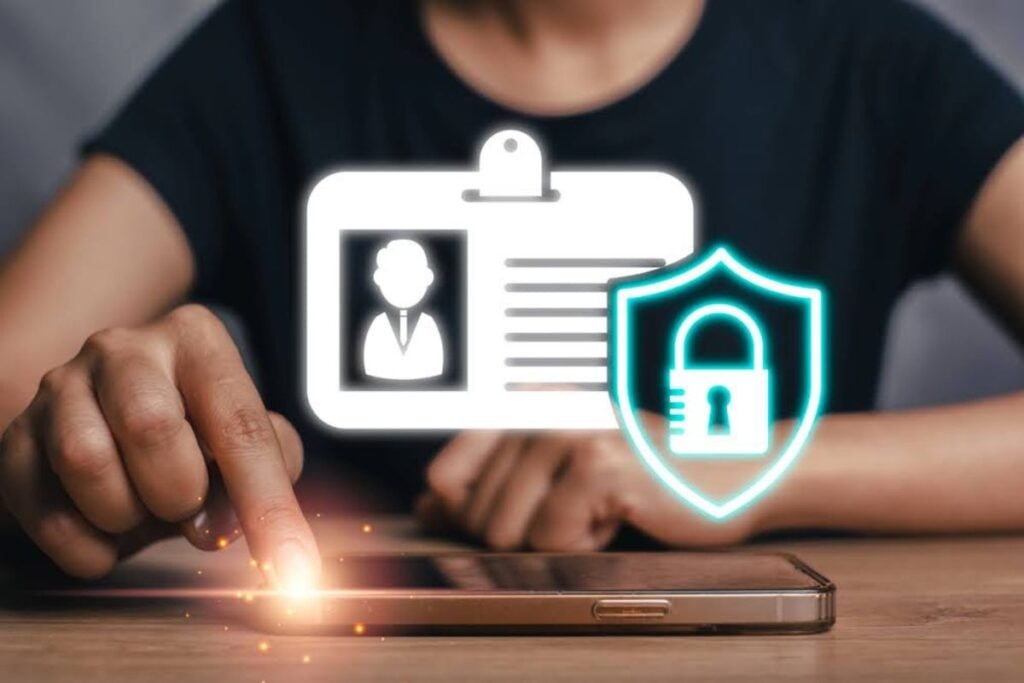
Όταν ανεβάζετε τα προσωπικά σας έγγραφα, αποθηκεύονται στη βάση δεδομένων της εταιρείας. Αλλά εκτός από αυτό, οι πληροφορίες σας μετακινούνται επίσης!
Πολλές επιχειρήσεις χρησιμοποιούν λογισμικό επαλήθευσης KYC τρίτου μέρους που προσφέρει αυτοματοποιημένα εργαλεία επαλήθευσης, όπως σαρωτές OCR, λογισμικό βιομετρίας, μηχανές εντοπισμού απάτης κ.λπ.
Ορισμένα στοιχεία του προφίλ KYC σας μπορεί επίσης να αποσταλούν σε:
- Ρυθμιστικοί φορείς
- Κυβερνητικές υπηρεσίες
- Οικονομικοί εταίροι
- Εταιρείες ανάλυσης απάτης
Ουσιαστικά, τα δεδομένα σας αντιγράφονται, δημιουργούνται αντίγραφα ασφαλείας, καθρεφτίζονται και αποθηκεύονται στην προσωρινή μνήμη σε διάφορα μέρη.
Πού βρίσκονται οι πραγματικοί κίνδυνοι
Τώρα, οι κίνδυνοι ασφαλείας για τα δεδομένα σας δεν περιορίζονται μόνο στο σημείο κατά το οποίο τα ανεβάζετε αρχικά. Οι πραγματικές ανησυχίες προκύπτουν όταν τα δεδομένα σας ταξιδεύουν.
Όσο περισσότερα συστήματα διέρχονται από τα δεδομένα σας, τόσο περισσότερα σημεία έκθεσης υπάρχουν.
Μια τράπεζα μπορεί να διαθέτει σπουδαία συστήματα ασφαλείας, αλλά τι γίνεται με τον προμηθευτή επαλήθευσης ή τον εξωτερικό ελεγκτή που κατέχει ένα αντίγραφο ασφαλείας;
Το μόνο που χρειάζεται για να εκτεθούν τα δεδομένα σας είναι ένας αδύναμος κρίκος.
Όπως ανέφερα προηγουμένως, πολλές επιχειρήσεις αναθέτουν την επαλήθευση KYC σε εξωτερικούς προμηθευτές, αλλά οι ίδιοι αυτοί οι προμηθευτές μπορεί να αποτελέσουν ένα πιθανό σημείο παραβίασης.
Η Sengzi, για παράδειγμα, είναι ένας πάροχος επαλήθευσης KYC που χρησιμοποιείται από περισσότερα από 600 χρηματοπιστωτικά ιδρύματα παγκοσμίως.
Μόλις πριν από λίγους μήνες, ανέφερε μια παραβίαση δεδομένων κατά την οποία περισσότερα από 600 GB ευαίσθητων δεδομένων επαλήθευσης πελατών φέρεται να τέθηκε προς πώληση στο dark web.
Οι χρηματοπιστωτικές εταιρείες ενδέχεται επίσης να αποθηκεύουν τις πληροφορίες σας για μεγάλο χρονικό διάστημα αφότου σταματήσετε να χρησιμοποιείτε την υπηρεσία τους.
Όσο παλαιότερα είναι τα δεδομένα και όσο περισσότερο χρόνο παραμένουν, τόσο πιο πιθανό είναι να εμπλακούν σε ένα πρόβλημα μετάβασης του συστήματος ή διακομιστή.
Πώς οι επιχειρήσεις διατηρούν τα δεδομένα KYC ασφαλή
Κάθε επιχείρηση που ενδιαφέρεται πραγματικά για τους πελάτες της γνωρίζει ότι τίποτα δεν καταστρέφει την εμπιστοσύνη των πελατών πιο γρήγορα από μια παραβίαση δεδομένων.
Οφείλουν στους πελάτες τους μια αυστηρή πολιτική προστασίας δεδομένων όταν σας ζητούν να τους εμπιστευτείτε τις προσωπικές σας πληροφορίες.
Να πώς το κάνουν.
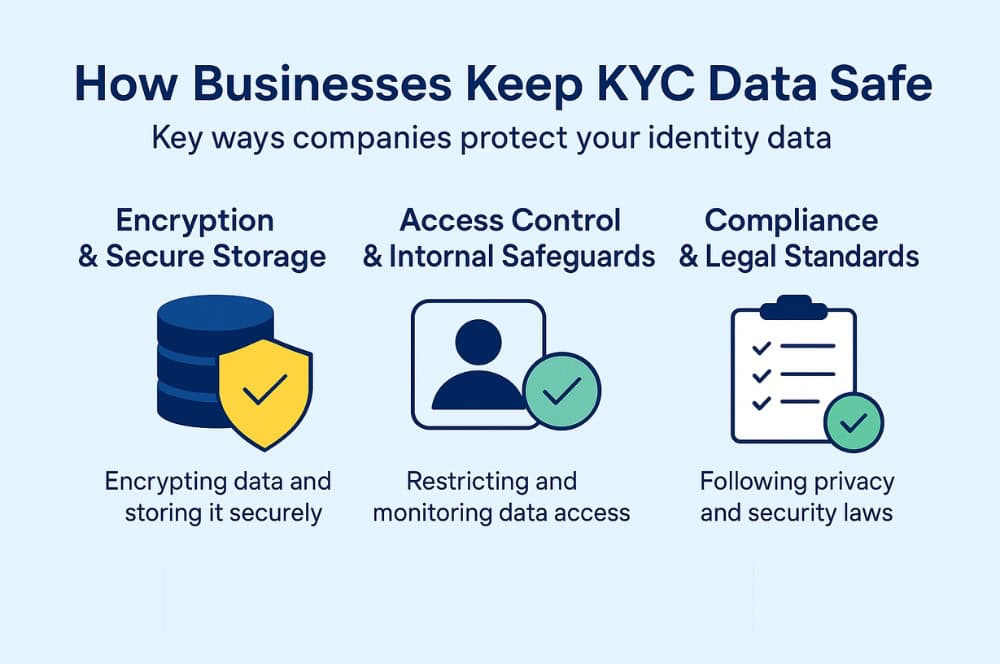
- Κρυπτογράφηση και ασφαλής αποθήκευση
Η κρυπτογράφηση αναφέρεται στην αποκρυπτογράφηση των πληροφοριών σας με τη χρήση ισχυρών κρυπτογραφικοί αλγόριθμοι που μπορεί να διαβαστεί μόνο από την εταιρεία που ζήτησε αρχικά τα δεδομένα σας.
Έτσι, αν ένας χάκερ εισβάλει στον διακομιστή τους, το μόνο που βλέπει είναι ασυναρτησίες.
Η κρυπτογράφηση δεδομένων πραγματοποιείται τόσο κατά την ηρεμία όσο και κατά τη μεταφορά. Αυτό σημαίνει ότι οι βάσεις δεδομένων και τα αντίγραφα ασφαλείας που αποθηκεύουν τα δεδομένα σας είναι κρυπτογραφημένα.
Επίσης, κάθε φορά που τα δεδομένα μεταφέρονται από μια συσκευή σε μια άλλη, ταξιδεύουν μέσω κρυπτογραφημένων σηράγγων όπως το TLS 1.2/1.3 που αποτρέπουν οποιαδήποτε υποκλοπή.
Τα δεδομένα υψηλής αξίας, όπως οι βιομετρικές πληροφορίες, διατηρούνται σε ξεχωριστούς χώρους αποθήκευσης. Ο σκοπός του διαχωρισμού των δεδομένων σε διαφορετικά σιλό είναι να μειωθεί η ακτίνα έκρηξης.
Εξασφαλίζει ότι αν παραβιαστεί ένας χώρος αποθήκευσης, το σύνολο των δεδομένων των πελατών δεν θα πέσει σαν ντόμινο.
- Έλεγχος πρόσβασης και εσωτερικές διασφαλίσεις
Ένας εκπληκτικός αριθμός περιστατικών δεδομένων δεν προκαλείται καθόλου από χάκερ! Προκαλούνται από ανθρώπους που βρίσκονται μέσα στο σύστημα, είτε σκόπιμα είτε κατά λάθος (επειδή ο Gary από την πληροφορική έκανε κλικ σε έναν σύνδεσμο που δεν έπρεπε να κάνει)!
Οι επιχειρήσεις αποτρέπουν τέτοιου είδους ατυχήματα περιορίζοντας την πρόσβαση στα δεδομένα των πελατών.
Ο έλεγχος πρόσβασης θα πρέπει να βασίζεται σε ρόλους, δηλαδή ένας υπάλληλος θα έχει πρόσβαση μόνο στο τμήμα των δεδομένων που απαιτεί η φύση της εργασίας του.
Η διαδικασία σύνδεσης στη βάση δεδομένων για πρόσβαση σε δεδομένα περιορίζεται επίσης από τα κλειδιά υλικού και τα όρια συνόδου. Εάν η διαδικασία αυτή δεν ενοχλεί έστω και λίγο τους υπαλλήλους, η ασφάλεια είναι μάλλον πολύ αδύναμη.
Οι επιχειρήσεις διαθέτουν επίσης αρχεία καταγραφής ελέγχου για να παρακολουθούν τη συχνότητα και τη διάρκεια της πρόσβασης στα δεδομένα που έχει ένας υπάλληλος.
Σε περίπτωση που κάποιος αρχίσει να κατεβάζει ύποπτο όγκο εγγράφων, ειδοποιούνται οι ανώτερες αρχές.
- Συμμόρφωση και νομικά πρότυπα
Οι επιχειρήσεις υποχρεούνται να προστατεύουν τα δεδομένα KYC επειδή το απαιτεί ο νόμος.
Ο GDPR ή ο CCPA είναι νόμοι περί απορρήτου που υπαγορεύουν τον τρόπο με τον οποίο πρέπει να συλλέγονται, να αποθηκεύονται, να χρησιμοποιούνται και να διαγράφονται τα δεδομένα των πελατών. Εάν μια επιχείρηση δεν τηρεί τον νόμο, υπόκειται σε τεράστια πρόστιμα.
Οι νόμοι για την καταπολέμηση της νομιμοποίησης εσόδων από παράνομες δραστηριότητες (AML) απαιτούν αυστηρό χειρισμό όλων των εγγράφων ταυτότητας. Οι εταιρείες πρέπει να αποδείξουν όχι μόνο ότι εκτέλεσαν σωστά το KYC αλλά και ότι προστάτευσαν τα δεδομένα στην πορεία.
Οποιοδήποτε αξιόπιστο λογισμικό επαλήθευσης KYC, όπως TruthScan, θα διασφαλίζει πάντοτε τη συμμόρφωση με αυτούς τους νόμους κατά τον χειρισμό των δεδομένων των πελατών.
Τι μπορείτε να κάνετε για να προστατεύσετε τις πληροφορίες σας
Παρόλο που οι επιχειρήσεις φέρουν το μεγαλύτερο μέρος της ευθύνης για την ασφαλή διατήρηση των δεδομένων KYC, υπάρχουν μερικές συνήθειες που μειώνουν την έκθεσή σας σε παραβιάσεις δεδομένων.
- Ποτέ μην ανεβάζετε τα έγγραφα ταυτότητάς σας μέσω δημόσιου Wi-Fi, εκτός αν θέλετε να παίξετε την ταυτότητά σας στην τιμή ενός καφέ. Είναι πολύ εύκολο να παρακάμψετε τα δημόσια δίκτυα και να αποκτήσετε πρόσβαση στις πληροφορίες που μοιράζεστε μέσω αυτών.
- Αν πρέπει οπωσδήποτε να χρησιμοποιήσετε μια κοινή σύνδεση, τουλάχιστον χρησιμοποιήστε ένα αξιόπιστο VPN για να κρυπτογραφήσετε την κυκλοφορία σας.
- Πάντα να επαληθεύετε ότι η πλατφόρμα στην οποία μεταφορτώνετε τα δεδομένα σας είναι νόμιμη. Ελέγξτε το domain, επιβεβαιώστε ότι σας κατευθύνει εκεί ο πραγματικός ιστότοπος της εταιρείας, βεβαιωθείτε ότι η διεύθυνση URL αρχίζει πράγματι με HTTPS και αν έχετε την παραμικρή αμφιβολία, κλείστε αμέσως την καρτέλα.
- Διατηρείτε τις συσκευές σας ενημερωμένες, επειδή τα ξεπερασμένα τηλέφωνα και οι φορητοί υπολογιστές αποτελούν πρωταρχικούς στόχους για κακόβουλο λογισμικό.
- Καθαρίστε μετά τον εαυτό σας. Αν κατεβάσατε ένα PDF του διαβατηρίου σας για να το ανεβάσετε κάπου, μην το αφήσετε να κάθεται στο φάκελο “Downloads” για μια αιωνιότητα. Διαγράψτε το. Αδειάστε τα σκουπίδια το συντομότερο δυνατό.
- Τέλος, χρησιμοποιήστε τα χαρακτηριστικά προστασίας των χρηστών της πλατφόρμας που χρησιμοποιείται για την επαλήθευση KYC. TruthScan διαθέτει πολλά τέτοια χαρακτηριστικά που προστατεύουν τα δεδομένα σας, όπως:
- Έλεγχος ταυτότητας δύο παραγόντων
- Κρυπτογραφημένες μεταφορτώσεις
- Ασφαλείς, χρονικά περιορισμένες συνεδρίες
Η ισορροπία μεταξύ επαλήθευσης και ιδιωτικότητας
Το KYC είναι μια παράξενη συμφωνία.
Από τη μία πλευρά, οι εταιρείες πρέπει να επαληθεύουν ότι είστε ένα πραγματικό πρόσωπο που δεν ξεπλένει χρήματα στο διάλειμμα του μεσημεριανού σας γεύματος. Αυτή η επαλήθευση απαιτεί προσωπικά στοιχεία για να τηρούν τους νόμους και να διατηρούν τις άδειές τους.
Από την άλλη πλευρά, θα προτιμούσατε να μην παραδώσετε ολόκληρο το χαρτοφυλάκιο της ταυτότητάς σας σε οποιαδήποτε τυχαία επιχείρηση.
Οι έξυπνες εταιρείες δεν θα προσπαθήσουν ποτέ να συλλέξουν όλα τα προσωπικά σας στοιχεία. Θα αναζητούν πάντα το ελάχιστο σύνολο εγγράφων που θα κάνει τη δουλειά.
Για να διατηρηθεί η ισορροπία μεταξύ του ιδιωτικού σας απορρήτου και των αναγκών επαλήθευσης, μια υπεύθυνη επιχείρηση θα εξηγήσει επίσης πού πηγαίνουν τα δεδομένα σας, πόσο καιρό παραμένουν εκεί, ποιος μπορεί να τα δει κ.λπ.
Αν κάποιος φτιάχνει έναν ψηφιακό κλώνο του διαβατηρίου σας, το λιγότερο που μπορεί να κάνει είναι να εξηγήσει το γιατί.
Το θέμα είναι ότι η ιδιωτικότητα και η επαλήθευση μπορούν να συνυπάρξουν αν το σύστημα είναι σωστά κατασκευασμένο.
Το μέλλον του Safe KYC
Επί του παρόντος, η διαδικασία επαλήθευσης KYC είναι αρκετά γρήγορη και ομαλή. Στο μέλλον, στόχος μας είναι να την κάνουμε τόσο ασφαλή ώστε όποιος προσπαθεί να υποκλέψει το σύστημα να παίρνει όσο το δυνατόν λιγότερο οξυγόνο.
Τα αποκεντρωμένα συστήματα ταυτότητας δεν είναι πολύ μακριά στο μέλλον. Αυτό σημαίνει ότι δεν θα χρειάζεται να παραδίδετε τα έγγραφά σας κάθε φορά που μια νέα πλατφόρμα θέλει να σας “επαληθεύσει”.
Θα κατέχετε ένα ασφαλές, κρυπτογραφικά υποστηριζόμενο πορτοφόλι ταυτότητας και θα μοιράζεστε μόνο τις ελάχιστες πληροφορίες που πραγματικά χρειάζεται μια υπηρεσία.
Στο μέλλον, θα δούμε επίσης την επαλήθευση με βάση την αλυσίδα μπλοκ, δηλαδή την επικύρωση εγγράφων και διαπιστευτηρίων χωρίς να αποθηκεύονται τα έγγραφα αυτά σε οποιαδήποτε κεντρική βάση δεδομένων.
Η απόδειξη μηδενικής γνώσης (ZKP) είναι μια κρυπτογραφική μέθοδος που σας επιτρέπει να αποδείξετε ότι κάτι είναι αληθές χωρίς να αποκαλύψετε τις υποκείμενες πληροφορίες. Είναι άγρια, αλλά πολύ πραγματική.
Αυτή η τεχνολογία, αν και βρίσκεται προς το παρόν σε πρώιμο στάδιο, έχει τη δυνατότητα να αφαιρέσει ολόκληρες κατηγορίες ευαίσθητων δεδομένων από τη διαδικασία επαλήθευσης.
Το TruthScan είναι ένα από αυτά τα εργαλεία που έχουν κατασκευαστεί για να προσαρμόζονται σε αυτές τις τάσεις ενηλικίωσης.
Το Επαλήθευση KYC αρχιτεκτονική υποστηρίζει ασφαλείς, κρυπτογραφημένες μεταφορτώσεις σήμερα και είναι φτιαγμένη για αποκεντρωμένες ροές διαπιστευτηρίων αύριο.
Τελικές σκέψεις
Ο κόσμος κυριολεκτικά λειτουργεί με την επαλήθευση της ταυτότητας. Όμως, ως πελάτης, δεν πρέπει ποτέ να παραδώσετε τις πληροφορίες σας και να ελπίζετε απλώς ότι θα γίνει καλός χειρισμός.
Η ασφάλεια στο KYC αποτελεί το θεμέλιο της εμπιστοσύνης σε κάθε οικονομική συναλλαγή που πραγματοποιείτε.
Και ενώ καμία πλατφόρμα στη γη δεν μπορεί να υποσχεθεί 100% αδιαπέραστη προστασία (όποιος ισχυρίζεται το αντίθετο, σας πουλάει φαντασία), αυτό που μπορεί να εγγυηθεί είναι η υπευθυνότητα.
Το TruthScan βασίζεται σε αυτή τη φιλοσοφία.
Δείχνουν ξεκάθαρα πόσο σοβαρά αντιμετωπίζουν τις προσωπικές σας πληροφορίες, εφαρμόζοντας κάθε σύγχρονο μέτρο ασφαλείας που υπάρχει σήμερα.
Η TruthScan είναι επίσης έτοιμη να αντιμετωπίσει τις νεότερες τεχνολογίες διατήρησης της ιδιωτικής ζωής καθώς αυτές εμφανίζονται.
Ελέγξτε TruthScan για ασφαλή επαλήθευση KYC σήμερα!