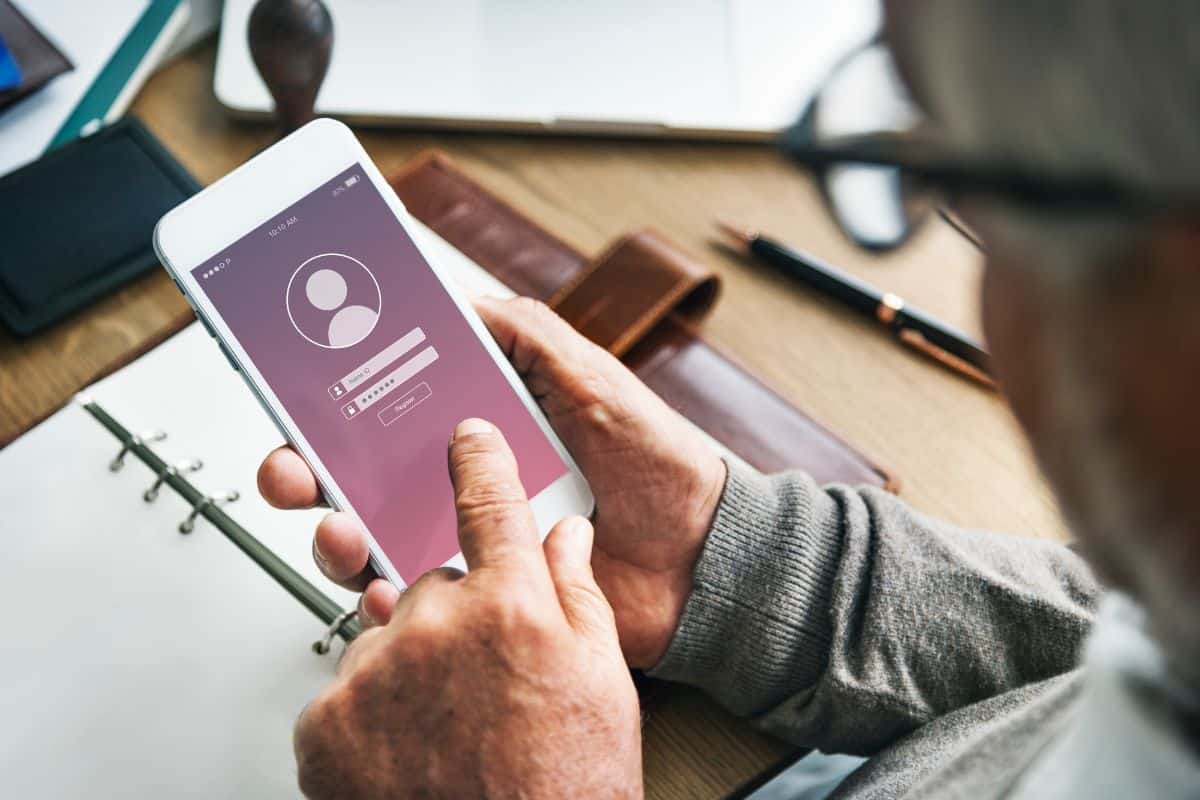
Verifikasi KYC adalah persyaratan hukum di bawah Undang-Undang Kerahasiaan Bank (BSA) dan Undang-Undang PATRIOT Amerika Serikat yang melindungi bisnis dan pelanggan dari penipuan pencucian uang.
Verifikasi alamat adalah salah satu komponen intinya.
Ini sebenarnya adalah proses yang mengonfirmasi apakah pelanggan benar-benar berada di lokasi yang nyata dan dapat diverifikasi.
Anda harus memiliki alamat yang telah diverifikasi:
- Membuka rekening bank atau credit union baru
- Mendapatkan polis asuransi baru
- Mendaftarkan kartu SIM
- Mengajukan pinjaman, hipotek, atau akun beli-sekarang-bayar nanti.
- Mengaktifkan layanan investasi/pialang
- Mendaftar ke dompet digital dan bursa kripto
Pada dasarnya, apa pun yang berhubungan dengan keuangan.
Dan dalam artikel ini, kita akan membahas tentang bagaimana cara kerja verifikasi alamat KYC?
Kami juga akan memberi tahu Anda cara membuatnya efisien.
Hal-hal Penting yang Dapat Dipetik
- Verifikasi alamat KYC pada dasarnya adalah pemeriksaan kebenaran untuk mengonfirmasi apakah nasabah tinggal persis di tempat yang mereka klaim, melalui dokumen properti.
- Proses verifikasi dilakukan melalui pemindaian dokumen, ekstraksi data, referensi silang, dan persetujuan akhir.
- Verifikasi alamat yang andal diperlukan untuk pencegahan penipuan dan untuk menumbuhkan kepercayaan pelanggan bahwa bisnis Anda hanya menerima pengguna yang sebenarnya.
Apa yang Dimaksud dengan Verifikasi Alamat KYC?
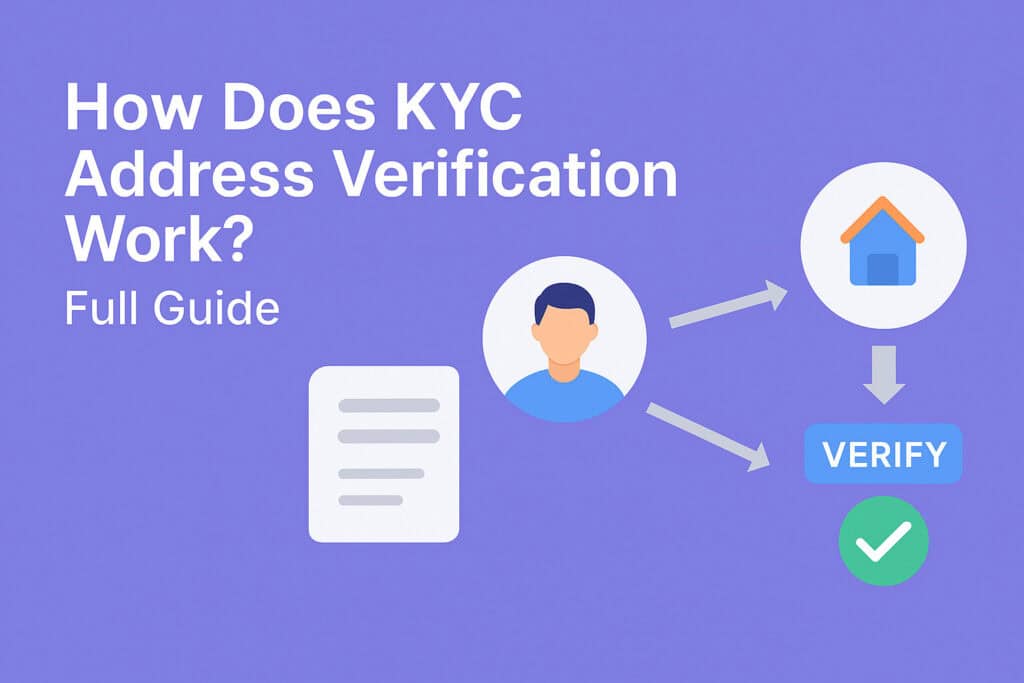
Proses verifikasi KYC mengharuskan bisnis untuk melakukan berbagai jenis pemeriksaan terhadap pelanggan mereka untuk memastikan identitas asli.
Verifikasi alamat adalah salah satu persyaratannya.
Anda bisa mengatakan bahwa ini pada dasarnya adalah pemeriksaan kepercayaan di mana Anda benar-benar tinggal alih-alih hanya menerima kata-kata Anda.
Jangan Pernah Khawatir Tentang Penipuan AI Lagi. TruthScan Dapat Membantu Anda:
- Mendeteksi AI yang dihasilkan gambar, teks, suara, dan video.
- Hindari penipuan besar yang digerakkan oleh AI.
- Lindungi sebagian besar sensitif aset perusahaan.
Ini menghubungkan manusia yang nyata, dengan identitas yang nyata, ke lokasi yang nyata dan dapat diverifikasi di dunia fisik.
Sekarang, secara praktis, verifikasi alamat adalah perbandingan antara alamat yang dinyatakan oleh pelanggan sebagai tempat tinggal mereka dengan beberapa bentuk bukti yang bersumber secara independen.
Buktinya dapat berupa, misalnya, tagihan listrik atau pendaftaran pemerintah untuk tempat tersebut.
Mengapa Verifikasi Alamat Penting dalam KYC
Alamat Anda adalah salah satu dari sedikit pengidentifikasi yang benar-benar sulit bagi penipu untuk berimprovisasi.
Siapa pun bisa membuat templat ID yang setengah-setengah bisa dipercaya dengan nama palsu dan email pembakar, tetapi alamat yang dapat dilacak dan ramah regulator yang juga selaras dengan catatan pihak ketiga cukup sulit dibuat.
Alamat memaksa kesinambungan karena mengikat seseorang ke suatu tempat secara fisik.
Jika dapat diverifikasi, berarti pelanggan tersebut sah dengan riwayat yang dapat diperiksa ulang.
Tidak dapat memverifikasi alamat tersebut mengindikasikan adanya aktivitas yang mencurigakan, seperti identitas sintetis atau aktivitas keledai akun.
Seorang penjahat akan selalu memilih lokasi yang sementara dan tidak dapat diverifikasi sehingga mereka dapat dengan mudah menghilang setelah menjalankan skema apa pun yang telah mereka rencanakan.
Jadi, alat verifikasi KYC harus memvalidasi alamat dan memastikan tidak ada ketidakkonsistenan dalam singkatan, perbedaan format, versi alamat lama, dll.
Tentu saja, beberapa pelanggan akan memiliki beberapa variasi alami dalam alamat (Apartemen 4B dan Unit 4-B juga bisa berarti sama!), sehingga alat ini juga melakukan pengecekan silang terhadap sumber data dan mengeliminasi positif palsu.
Cara Kerja Proses Verifikasi Alamat KYC
Berikut ini adalah bagaimana proses multi-langkah ini berjalan:
- Pengajuan Pengguna
Sangat jelas untuk mengatakan bahwa untuk memverifikasi alamat Anda, perusahaan akan meminta Anda untuk menyerahkan beberapa dokumen.
Pada umumnya, mereka membutuhkan alamat lengkap Anda dengan dokumen bukti seperti tagihan listrik, rekening koran, perjanjian sewa, pemberitahuan pajak, atau surat resmi.
Anda akan diminta untuk mengunggahnya satu per satu sebagai gambar dalam format PNG/JPEG atau membuat dokumen PDF untuk mengirimkan semuanya secara bersamaan.
Pastikan untuk memasukkan alamat Anda PERSIS seperti yang tertera pada dokumen bukti. Alamat tersebut harus berisi nama/nomor jalan, apartemen/unit, kota, negara bagian, kode pos, dan negara.
- Pemindaian Dokumen
Saat Anda mengirimkan dokumen, perangkat lunak verifikasi KYC akan memindainya. Idealnya, dokumen Anda harus sejelas mungkin.
Hindari bagian tepi yang buram, silau atau bayangan gelap, dll.
Pada titik ini, pemindaian berbasis AI akan memeriksa dokumen Anda untuk mencari tanda-tanda manipulasi atau pemalsuan:
- Huruf atau spasi yang tidak konsisten
- Petunjuk adanya logo yang diduplikasi
- Latar belakang tidak teratur
- Jejak halus dalam piksel yang ditinggalkan oleh perangkat lunak penyuntingan foto
- Bidang data yang tidak sejajar atau rusak yang menunjukkan adanya gangguan
Jika, selama tahap pemindaian, tinjauan berbasis AI menemukan ketidakkonsistenan, sistem akan menandainya untuk tinjauan lebih lanjut.
- Ekstraksi Data
Jika dokumen Anda cukup sah untuk melewati tahap pemindaian, data alamat Anda akan diekstrak.
Jalan, nomor apartemen atau unit, kota, negara bagian atau provinsi, kode pos, dan negara Anda semuanya dipisahkan dan ditandai.
Solusi Smart AI menormalkan variasi kecil dalam dokumen, seperti St. vs. Street, atau format tanggal yang berbeda. Ekstraksi data juga mengonfirmasi bahwa tanggal dokumen berada dalam rentang yang dapat diterima.
- Referensi Silang
Di sinilah alamat Anda diadu dengan dunia nyata untuk melihat apakah alamat tersebut benar-benar ada secara fisik.
Sistem verifikasi alamat KYC mengambil data terstruktur yang telah diekstrak sebelumnya untuk menjalankannya terhadap beberapa basis data otoritatif.
Ini termasuk:
- Catatan pemerintah
- Basis data penyedia utilitas
- Layanan pos
- Biro kredit
- Sistem geolokasi/pemetaan
Sistem ini memvalidasi apakah kode pos sesuai dengan kota dan negara bagian, dan apakah nomor jalan, rumah, atau apartemen masuk akal.
- Verifikasi & Persetujuan
Sistem akan memutuskan apakah data alamat Anda sudah cukup terverifikasi.
Keputusan akhir didasarkan pada kualitas dokumen Anda, bidang yang diekstrak, dan hasil referensi silang di beberapa pemeriksaan.
Selanjutnya, status aplikasi Anda akan mengalir ke akun Anda yang telah disetujui.
Dalam kasus-kasus ketidakpastian, tinjauan manual oleh agen kepatuhan dipicu sehingga ketidakkonsistenan dapat diselesaikan.
Jenis Metode Verifikasi Alamat
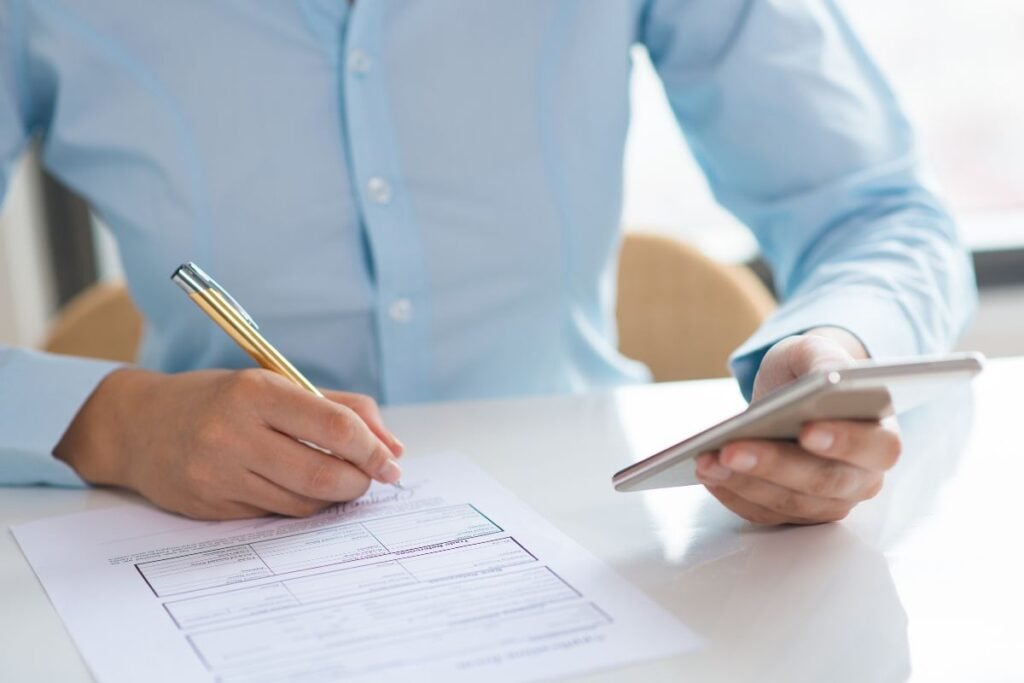
Verifikasi alamat KYC dapat dilakukan dengan beberapa cara berbeda:
- Verifikasi manual: Walaupun kedengarannya membosankan, proses ini membutuhkan seseorang untuk duduk dengan semua dokumen Anda dan memeriksa keabsahan masing-masing dokumen. Proses ini lambat dan subjektif terhadap kapasitas pengambilan keputusan peninjau. Selain itu, ada kemungkinan terjadi kekacauan saat Anda berurusan dengan ratusan dokumen setiap harinya
- Teknologi OCR: OCR adalah singkatan dari Optical Character Recognition, yang merupakan teknologi yang digunakan oleh banyak perangkat lunak verifikasi KYC untuk memindai dan mengekstrak informasi dari dokumen Anda menjadi data yang dapat dibaca oleh mesin.
- Perbandingan basis data berbasis AI: Versi yang lebih cerdas yang dibangun di atas teknologi OCR yang menggunakan AI untuk memeriksa detail Anda terhadap catatan publik. Jika menemukan alamat Anda di beberapa sumber online tepercaya, maka akan memberikan sinyal validasi yang kuat.
Tantangan dalam Verifikasi Alamat KYC
Verifikasi alamat adalah salah satu langkah yang paling memusingkan dalam proses penerimaan pelanggan karena beberapa alasan.
Sangat wajar bagi pelanggan sehari-hari untuk mengirimkan dokumen yang sulit dibaca karena buram, silau, tepi yang terpotong, pindaian resolusi rendah, dan sebagainya.
Beberapa pengguna juga menulis satu variasi alamat mereka sementara dokumen mereka menunjukkan alamat yang lain.
Banyak perangkat lunak KYC yang tidak cukup pintar untuk mengidentifikasi apakah kedua versi merujuk ke tempat yang sama, sehingga ketidaksesuaian format ini biasanya menyebabkan “alarm palsu” selama verifikasi.
Melihat gambaran yang lebih besar, setiap negara bagian memiliki aturan yang berbeda tentang apa yang dianggap sebagai bukti alamat yang sah.
Ada yang menerima rekening koran, ada pula yang meminta tagihan listrik yang tidak lebih dari 45 hari, dan ada pula yang menolak apa pun yang tidak dikeluarkan oleh pemerintah.
Karena aturan-aturan tersebut, sangat sulit, terutama bagi perusahaan multinasional, untuk memutuskan satu tindakan tertentu.
Selain itu, teknologi di satu sisi telah menggantikan verifikasi KYC manual menjadi alat AI yang lebih cerdas, tetapi juga memberi jalan bagi pemalsuan digital. Perusahaan yang masih menggunakan verifikasi manual dalam sistemnya dapat dengan mudah melewatkannya.
Untungnya, jika Anda menggunakan penganalisis dokumen berbasis AI, seperti TruthScan, setidaknya Anda bisa yakin bahwa tidak ada dokumen yang Anda verifikasi yang dipalsukan.
Bagaimana Otomatisasi dan AI Meningkatkan Verifikasi Alamat
Kita sudah jauh dari seseorang di tim kepatuhan Anda yang menatap tagihan listrik yang buram dan memperdebatkan apakah tagihan tersebut “cukup baik” untuk verifikasi alamat KYC.
Alat bantu AI dan otomatisasi telah membawa begitu banyak perbedaan yang luar biasa dalam prosesnya, seperti:
- Pemeriksaan kejelasan dokumen secepat kilat
- Ekstraksi data alamat secara otomatis tanpa perlu khawatir akan kesalahan pembacaan yang disebabkan oleh kesalahan manusia
- Deteksi pola penipuan yang menangkap setiap sidik jari digital kecil pada dokumen yang dipalsukan
- Verifikasi yang dapat diskalakan, tidak peduli Anda memiliki 10 pelanggan atau 10.000.000
Peningkatan ini memungkinkan bisnis untuk benar-benar fokus pada apa yang menggerakkan jarum dan menghasilkan pendapatan.
Semakin sedikit waktu yang dibutuhkan untuk memverifikasi alamat pelanggan, semakin baik pula proses on-boarding dan transaksi di masa mendatang!
Bagaimana Bisnis Mendapatkan Manfaat dari Verifikasi Alamat yang Andal
Verifikasi alamat benar-benar membuat segala sesuatu di bagian hilir, yaitu kepercayaan, keamanan, persetujuan, pengalaman pelanggan, dan audit peraturan, menjadi jauh lebih mudah.
Bisa dibilang langkah ini adalah sistem peringatan dini. Verifikasi alamat yang andal menyaring semua jenis identitas sintetis dan dokumen palsu yang akan digunakan oleh penipu untuk masuk ke dalam ekosistem Anda.
Verifikasi yang ditolak, kecuali jika positif palsu, akan menghemat waktu, sumber daya, dan kerumitan untuk membersihkan kerusakan.
Selain itu, verifikasi alamat yang disederhanakan sangat meningkatkan pengalaman pengguna!
Siapa yang tidak akan menyukai izin yang cepat tanpa harus menunggu berjam-jam, atau lebih buruk lagi, berhari-hari, dan bolak-balik mengirim email untuk tinjauan manual?
Kecepatan dan efisiensi membuat orang merasa bahwa bisnis Anda memiliki tindakan bersama, yang mengarah pada manfaat kepercayaan yang diremehkan.
Pelanggan yang terverifikasi tahu bahwa orang lain yang Anda ajak bergabung adalah pengguna asli.
Mereka percaya bahwa transaksi aman dan terlindungi dari penipuan.
TruthScan adalah perangkat lunak verifikasi alamat KYC yang memberi Anda keunggulan:
- Verifikasi real-time untuk keaslian, kualitas, dan validitas alamat secara instan
- Pelaporan yang sesuai dengan kepatuhan
- Infrastruktur yang dapat diskalakan untuk menangani setiap lonjakan volume onboarding Anda tanpa harus mengorbankan akurasi
Pikiran Akhir
TruthScan adalah mesin verifikasi bertenaga AI yang dibuat untuk perbankan, asuransi, manajemen kekayaan, fintech, dan semua hal yang berhubungan dengan keuangan.
Yang membuatnya menonjol adalah pola pikir yang mengutamakan pengembang yang menjadi dasarnya. Anda mendapatkan REST API yang bersih dan alat integrasi yang memungkinkan tim Anda menyambungkan verifikasi dan deteksi alamat KYC dalam alur kerja Anda.
Dan dengan itu, teknologi pendeteksian tingkat perusahaan kami mencakup:
- Deteksi pemalsuan AI
- Keputusan waktu nyata untuk menjaga proses orientasi tetap cepat
- Log dan pelaporan yang siap untuk kepatuhan
- Pemeriksaan otomatis yang mencegah positif palsu, masalah utama untuk alat verifikasi KYC saat ini
Karena data alamat KYC harus aman, sistem ini menggunakan enkripsi, infrastruktur yang sesuai dengan SOC 2, dan opsi untuk cloud pribadi atau penerapan on-prem sepenuhnya.
Kontak TruthScan untuk demo platform hari ini!